
The bottom line
What this product gets right — concisely
A high, EPA-forward EPA+DHA payload (450:180 mg) in a single gelcap — you take fewer capsules to reach a clinical dose. Anchovy and sardine sourcing — small, short-lived pelagic fish with the lowest heavy-metal bioaccumulation. Molecular distillation for contaminant removal. Thorne's manufacturing pedigree: four rounds of third-party testing per batch and GMP-registered facilities. A clean excipient list — mixed tocopherols as the only antioxidant, gluten- and dairy-free. And a genuine (if small) point in the CoQ10's favour: delivering it dissolved in fish oil aids absorption of a notoriously poorly-absorbed, fat-soluble molecule.
What EPA, DHA, and CoQ10 actually do — and why the third one is the story here
EPA (eicosapentaenoic acid, 20:5n-3) and DHA (docosahexaenoic acid, 22:6n-3) are long-chain omega-3 fatty acids that are biologically active as absorbed — no enzymatic conversion required, unlike the plant precursor ALA. EPA is the more anti-inflammatory of the two: it competes with arachidonic acid at the COX and LOX enzymes, shifting eicosanoid production toward less-inflammatory signalling molecules. DHA is a major structural fat of neuronal and retinal membranes. For the full receptor-and-pathway breakdown, see our Omega-3 (EPA+DHA) ingredient deep-dive. This product's EPA-forward 2.5:1 ratio makes it more of an anti-inflammatory / cardiovascular oil than a brain-DHA oil.
The distinctive ingredient is coenzyme Q10 (ubiquinone) — a fat-soluble molecule your mitochondria use to shuttle electrons in the respiratory chain that produces ATP, and a lipid-phase antioxidant. Two facts about CoQ10 matter for reading this label honestly. First, the body makes its own CoQ10, and levels fall with age and with statin use (statins block the same HMG-CoA reductase pathway that produces CoQ10) — which is why CoQ10 is studied in statin users and in heart failure. Second, CoQ10 is notoriously poorly absorbed, and its absorption improves substantially when taken with fat.
That second fact is the one real synergy in this product: putting 30 mg of CoQ10 into a fish-oil base is a sensible delivery vehicle, because the oil aids its uptake. The catch is the number. The doses that produced outcomes in CoQ10 trials — 300 mg/day in the Q-SYMBIO heart-failure trial,1 100–200 mg/day in statin-myalgia studies2 — are 3–10× what a couple of these gelcaps deliver. So the CoQ10 here is best understood as an antioxidant that also helps keep the oil fresh, not a therapeutic dose you can rely on for a clinical reason.
The honest one-liner on the CoQ10
30 mg of CoQ10 in an oil base is well-absorbed and harmless, and it slightly protects the fish oil from oxidation. It is not a substitute for a dedicated CoQ10 supplement if you have an actual indication (statin muscle symptoms, heart failure, migraine prophylaxis). If you need CoQ10, dose it properly at 100–200 mg separately; if you need fish oil, this delivers it well. The bundle mostly benefits the marketing.
What's in each gelcap — and how it maps to clinical evidence
| Component | Per 1 gelcap | Clinically studied range | Assessment |
|---|---|---|---|
| EPA (eicosapentaenoic acid) | 450 mg | 460–1,800 mg/day in CVD RCTs | Strong — one gelcap approaches a cardioprotective dose |
| DHA (docosahexaenoic acid) | 180 mg | 250–500 mg/day for neurological support | Slightly below the DHA brain-support threshold at 1 gelcap |
| Total EPA + DHA | 630 mg | 500 mg+ (AHA general); 1,000–4,000 mg (triglyceride lowering) | Exceeds AHA general threshold in a single gelcap |
| Coenzyme Q10 (ubiquinone) | 30 mg | 100–300 mg/day in CoQ10 RCTs | Token dose — 3–10× below therapeutic ranges |
| Molecular form | Not disclosed | rTG ≥ natural TG > EE in bioavailability studies | Cannot credit rTG — no form claim made |
| Fish source | Anchovy & sardine, molecularly distilled | Small pelagic fish preferred — low mercury bioaccumulation | Correct species choice — lowest-risk marine sources |
| Antioxidant system | Mixed tocopherols (natural vitamin E) + CoQ10 | Natural antioxidants preferred over TBHQ/BHT | Clean — no synthetic antioxidants |
| Gelcap shell | Bovine gelatin, glycerin, purified water | Standard — not suitable for vegetarians or (uncertified) halal diets | Noted: not vegetarian / not halal-certified |
Dose context: AHA, ESC, and ICMR
The American Heart Association recommends ≥500 mg EPA+DHA/day for general cardiovascular support and 1,000 mg/day for established coronary disease; India's ICMR-NIN 2020 guidance recommends 250 mg/day DHA for adults. At the label direction of 1 gelcap 2–3× daily, this product delivers 1,260–1,890 mg EPA+DHA — comfortably into the cardiovascular-support and lower triglyceride-management range. The EPA-forward ratio suits inflammatory and cardiometabolic goals; if your priority is DHA for brain or prenatal support, note that a single gelcap's 180 mg DHA sits just below the usual brain-support threshold, so you would run it at 2 gelcaps for DHA-led goals.
The CoQ10 is the marketing, not the medicine — and the India cost reality
1. Who actually benefits from 30 mg of CoQ10?
The people most likely to reach for a "with CoQ10" product are exactly the people it under-serves. Statin users looking to counter muscle aches were studied at 100–200 mg CoQ10/day, with a modest and inconsistent benefit even then;2 30–90 mg is unlikely to move that needle. Heart-failure patients in the landmark Q-SYMBIO trial took 300 mg/day for a mortality and hospitalisation benefit1 — ten times a single gelcap. Migraine prophylaxis studies used ~300 mg/day. Across the board, the doses that did something in trials are far above what this product delivers.
None of this makes the 30 mg pointless — it is a legitimate lipid-phase antioxidant, and the oil base gives it a real absorption advantage over dry CoQ10 tablets. But it should be read as a bonus co-factor, not a reason to buy. If you have a genuine CoQ10 indication, buy a standalone 100–200 mg ubiquinone or ubiquinol and take it with a fatty meal — that is a different, cheaper, and correctly-dosed purchase.
If a statin is why you're here
Statin-associated muscle symptoms are worth taking seriously, but the fix is not a 30 mg CoQ10 riding along in a fish oil. Talk to your prescriber, and if you and your doctor want to trial CoQ10, do it at a studied dose (100–200 mg/day) with a dedicated product. Do not stop a prescribed statin on the strength of a supplement. This review is not medical advice.
2. The import premium — honest cost analysis for India
Thorne Omega-3 with CoQ10 has no mainstream Amazon India presence. It reaches Indian buyers through iHerb and third-party importers, landing at roughly ₹3,500–4,300 for 90 gelcaps. Because a single gelcap is a high 630 mg EPA+DHA, the per-gram maths is less brutal than a weak oil — but it is still several times the cost of verified domestic fish oil, and you are also paying for 30 mg of CoQ10 you may not need.
| Product | EPA+DHA / serving | Form | Est. pack price (India) | ₹ / 100 mg EPA+DHA | 3rd-party tested? |
|---|---|---|---|---|---|
| Thorne Omega-3 with CoQ10 (this product) | 630 mg (1 gelcap) + 30 mg CoQ10 | Undisclosed | ₹~3,800 / 90ct (import) | ₹~6.70 | Yes — Thorne 4-round |
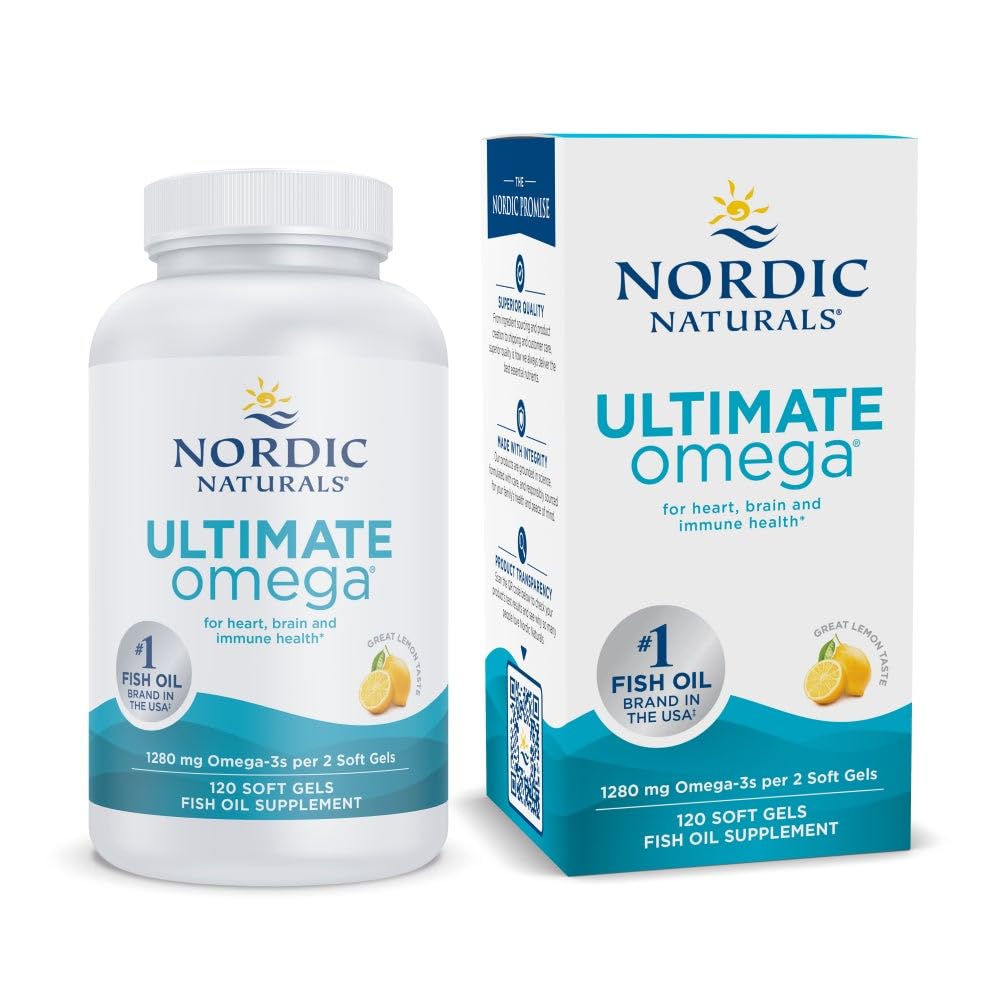
| Nordic Naturals Ultimate Omega | 1,100 mg (2 softgels) | rTG (best) | ₹~4,299 / 90ct (import) | ₹~8.50 | GOED-compliant COA |
| Carbamide Forte Omega-3 Triple Strength | 600 mg (1 cap) | EE (likely) | ₹~999 / 60ct | ₹1.67 | Partial COA |
| WOW Omega-3 (1000 mg) | 550 mg (2 caps) | Form not disclosed | ₹~499 / 120ct | ₹~1.50 | No COA published |
The clinical question, as with every premium import: does the cost gap translate to a meaningfully different outcome for most users? For standard EPA+DHA supplementation, probably not — a verified, adequately-dosed, non-rancid domestic fish oil raises serum EPA/DHA to the same place over 8–12 weeks. Thorne's genuine edge is its testing rigour and the potent single-gelcap dose; its genuine weaknesses in India are the price, the undisclosed form, and a CoQ10 dose that invites you to overpay for a benefit it can't deliver.
What the clinical record supports at the doses this product delivers
For the EPA+DHA payload, the evidence base is deep. EPA-forward high-dose omega-3 (icosapent ethyl, 4 g/day) reduced major cardiovascular events in REDUCE-IT among statin-treated patients with elevated triglycerides.3 At more everyday intakes, a higher Omega-3 Index (red-blood-cell EPA+DHA) is associated with lower risk of death from coronary heart disease.4 The AHA's dietary-fats advisory supports replacing saturated fat with polyunsaturated fats including marine omega-3s for cardiovascular risk reduction.5 At 2–3 gelcaps/day, this product sits squarely inside the intake range these bodies of evidence describe.
For the CoQ10, the honest reading is the one above: the outcomes came from 100–300 mg/day (Q-SYMBIO for heart failure;1 mixed but occasionally positive statin-myalgia trials at 100–200 mg2), not from 30–90 mg. There is no trial showing that 30 mg of CoQ10 alongside fish oil produces a distinct clinical benefit over the fish oil alone. Treat the CoQ10 claim as plausible-but-unproven at this dose, and judge the product on its fish oil.
One absorption nuance worth crediting: CoQ10's bioavailability is poor and formulation-dependent, and co-ingestion with fat/oil improves uptake.6 So the 30 mg here is likely absorbed better than the same 30 mg in a dry tablet — a small, real point in the product's favour that does not change the dose problem.
Thorne's testing pedigree is real — with two caveats to keep honest
Thorne is, deservedly, one of the most trusted names in third-party-tested supplements. The brand runs multiple rounds of testing per batch (raw material, in-process, and finished product), manufactures in facilities with recognised GMP registrations, and has a long track record with clinicians and professional-sport programmes. For a category where oxidation and mislabelled potency are endemic, that pedigree is worth something — and it is the strongest single reason to consider this product.
Two honest caveats
(1) "NSF Certified for Sport" is not confirmed for this specific SKU. Several Thorne products (including its Super EPA fish oil) carry the NSF Certified for Sport mark, which is meaningful for tested athletes — but we could not verify that certification for Omega-3 with CoQ10 specifically. If banned-substance certification matters to you, confirm the mark on the exact bottle before buying, or choose a Thorne product that clearly carries it. (2) The molecular form is undisclosed. Thorne does not state triglyceride vs ethyl ester for this oil. Molecularly distilled concentrates are frequently ethyl ester unless re-esterified, and no rTG claim is made — so, in fairness, we score Form on what is disclosed, not on an assumption.
Freshness on receipt — the universal fish-oil check
Fresh oil is only guaranteed at the point of manufacture. Imported stock moving through ambient-temperature freight and unrefrigerated fulfilment during an Indian summer (logistics hubs regularly exceed 40°C) can oxidise in transit. On arrival, cut open one gelcap: clean, mildly fishy or neutral is fine; sharp, rancid, or stale cooking-oil odour means the oil has oxidised — request a refund rather than consume it. Prefer stock with 12+ months to expiry, and store cool and dark (refrigerate after opening).
Who in India should — and shouldn't — buy this
Most urban Indian diets are heavily omega-6 dominant (sunflower, rice-bran, and groundnut oils push the omega-6:omega-3 ratio to roughly 12–15:1 against a target of 4:1 or lower), and marine EPA/DHA intake is low outside coastal fish-eating communities. So supplemental EPA+DHA is genuinely useful for many Indians — vegetarians, non-fish-eaters, and anyone with a cardiometabolic indication. The question is not whether to take omega-3, but whether this product is the right vehicle.
It fits the buyer who specifically wants Thorne's testing rigour, values a potent single-gelcap dose, and treats the CoQ10 as an incidental bonus rather than the point. It doesn't fit the CoQ10-seeker (buy a dedicated 100–200 mg product), the value-focused buyer hitting a standard 1,000 mg EPA+DHA/day (verified domestic fish oil does it at a fraction of the cost), the vegetarian or halal-observant buyer (bovine gelatin + fish oil), or anyone who already eats 2–3 portions of oily fish a week and likely needs no supplement at all.
Thorne against three alternatives — for the fish oil, and for the CoQ10 job


See the full Omega-3 category rankings → across domestic and imported options. Also read: Nordic Naturals Ultimate Omega (8.4), Carbamide Forte Omega-3 Triple Strength, and — for what not to buy — Himalayan Organics Plant Omega 3-6-9 (ALA-only).
Buy / don't buy
Buy if
- You specifically want Thorne's testing pedigree and a potent, EPA-forward single-gelcap dose — and you treat the CoQ10 as an incidental bonus, not the reason
- You prefer to take fewer capsules to reach a clinical EPA+DHA dose (630 mg in one gelcap is efficient)
- You have had GI issues with cheaper oils and want a clean, well-distilled, contaminant-tested product, and budget is not the primary constraint
- You already buy from iHerb or bring supplements in from the US, so the import step is not an obstacle
Consider an alternative if
- You are buying it for the CoQ10 — a statin user, or anyone with a real CoQ10 indication. Buy a dedicated 100–200 mg CoQ10 instead; 30 mg here won't do that job
- Your goal is a standard 1,000 mg EPA+DHA/day at the lowest cost — a verified domestic fish oil delivers the same fatty acids at a fraction of the price
- You want confirmed best-in-class molecular form — choose a brand that states rTG (e.g. Nordic Naturals), since Thorne doesn't disclose it here
- You are vegetarian, vegan, or need halal certification — this is bovine gelatin plus fish oil; choose algal-oil omega-3
- You want the Thorne brand without the CoQ10 premise — Thorne's own Super EPA is the cleaner pick
Storage & use
Take 1 gelcap 2–3 times daily with meals containing fat — this improves absorption of both the omega-3s and the CoQ10, and reduces the chance of fishy reflux. Store cool and dark; refrigerate after opening and use within about 3 months of opening. Do the smell test on arrival for any imported fish oil. If you are on anticoagulants (warfarin, aspirin, clopidogrel) or scheduled for surgery, clear high-dose omega-3 with your doctor first.
Three things Thorne should do — two of them specific to India
Disclose the molecular form (TG vs EE) on the label
For a brand whose entire proposition is testing transparency, leaving the omega-3 molecular form unstated is a conspicuous gap. If the oil is triglyceride or re-esterified triglyceride, say so — it is a genuine selling point worth crediting. If it is ethyl ester, say that too; buyers can decide. Silence forces reviewers to score conservatively and lets better-disclosed competitors (Nordic Naturals) win a point they may not deserve to win outright.
Either raise the CoQ10 to a meaningful dose, or reposition the claim
Thirty milligrams of CoQ10 is below every therapeutic threshold the ingredient is known for, yet it headlines the product name. Two honest fixes exist: raise it toward 100 mg so the "with CoQ10" actually means something clinically, or reposition it plainly as an antioxidant co-factor that protects the oil — not a therapeutic CoQ10 dose. As it stands, the name invites the wrong buyer (the statin user) to purchase a product that can't deliver what they came for.
Establish an authorised Amazon India channel with cold-chain handling
Right now Indian buyers rely on iHerb imports and grey-market third-party sellers, with no temperature-controlled logistics and no easy recourse on a rancid batch. An authorised Indian importer with documented cool-chain handling from port to consumer — and a visible India product page — would protect the very freshness Thorne's manufacturing is designed to guarantee, and open a market that currently defaults to domestic brands by necessity.
References & citations
- Mortensen SA et al. (2014). The effect of coenzyme Q10 on morbidity and mortality in chronic heart failure (Q-SYMBIO). JACC Heart Fail, 2(6):641–649. RCT — 300 mg/day CoQ10.
- Qu H et al. (2018). Effects of coenzyme Q10 on statin-induced myopathy: meta-analysis of RCTs. J Am Heart Assoc, 7(19):e009835. — 100–200 mg/day, modest effect.
- Bhatt DL et al. (2019). REDUCE-IT: Cardiovascular risk reduction with icosapent ethyl. N Engl J Med, 380(1):11–22. RCT
- Harris WS, von Schacky C. (2004). The Omega-3 Index: a new risk factor for death from coronary heart disease? Prev Med, 39(1):212–220. Observational
- Sacks FM et al. (2017). Dietary fats and cardiovascular disease: AHA Presidential Advisory. Circulation, 136(3):e1–e23.
- López-Lluch G et al. (2019). Bioavailability of coenzyme Q10 supplements depends on carrier lipids and solubility. Nutrition, 57:133–140. RCT — absorption improves with lipids.
- Dyerberg J et al. (2010). Bioavailability of marine n-3 fatty acid formulations (rTG vs TG vs EE). Prostaglandins Leukot Essent Fatty Acids, 83(3):137–141. RCT
- Calder PC. (2020). Eicosanoids and the modulation of inflammation by EPA. Biochem Soc Trans, 48(4):1–12. Mechanistic
- ICMR-NIN Expert Group (2020). Nutrient Requirements for Indians — 2020. National Institute of Nutrition, Hyderabad.
- Simopoulos AP. (2002). The importance of the ratio of omega-6/omega-3 essential fatty acids. Biomed Pharmacother, 56(8):365–379. Review
Not medical advice. This review is educational and reflects our reading of published research. Omega-3 at doses above 3 g/day may interact with anticoagulant therapy — consult a physician before supplementing if you are on blood thinners, scheduled for surgery, managing a cardiovascular condition, or considering CoQ10 for statin-related symptoms. Never stop a prescribed statin on the basis of a supplement.