Independent · India-market · 56 products scored · May 2026
Best Omega-3 in India 2026 — 56 Products, ALA Trap to IFOS
Most Indian "omega-3" supplements are flaxseed oil. They contain ALA — a precursor that converts to almost no usable EPA or DHA in the body. This page covers what omega-3 actually does, how to spot ALA-only products, and which 56 products actually deliver EPA and DHA at a verifiable dose.
WOW Life Science, HealthKart HK Vitals, Patanjali, Dabur, and Kapiva "omega-3" products are flaxseed oil — ALA only. They are not equivalent to fish oil. ALA converts to EPA at 8–21% efficiency and to DHA at 0–4% in men. These products provide no meaningful EPA or DHA. Products are scored accordingly.
EPA and DHA: membrane integration and eicosanoid competition
EPA (eicosapentaenoic acid) and DHA (docosahexaenoic acid) are long-chain polyunsaturated fatty acids (LC-PUFAs) of the omega-3 family. Unlike ALA, they do not require conversion — they are incorporated directly into the sn-2 position of membrane phospholipids within hours of ingestion. Calder, 2013, BJNM RCT
The anti-inflammatory mechanism operates through competitive inhibition. Arachidonic acid (AA), the dominant omega-6 in Western diets, is the substrate for pro-inflammatory prostaglandins (series-2 via COX) and leukotrienes (series-4 via 5-LOX). EPA competes directly with AA for both enzymes. When EPA occupies COX-2, it generates series-3 prostaglandins — significantly less pro-inflammatory than AA-derived series-2 prostaglandins. EPA is also converted to series-5 leukotrienes, which are far weaker mediators than the AA-derived series-4 variants. Calder, 2006, Am J Clin Nutr Mechanistic
The resolution phase of inflammation — actively terminating rather than merely reducing inflammatory signalling — is driven by EPA-derived E-series resolvins (RvE1, RvE2) and DHA-derived D-series resolvins (RvD1–RvD6) and protectins (neuroprotectin D1). These are not anti-inflammatory in the conventional sense — they actively switch off inflammatory gene expression and promote tissue healing. Serhan et al., 2008, Nature Rev Immunol Mechanistic
Triglyceride lowering: PPAR-alpha and VLDL suppression
Both EPA and DHA activate PPAR-alpha (peroxisome proliferator-activated receptor alpha) in hepatocytes — the same nuclear receptor targeted by fibrate drugs. PPAR-alpha activation upregulates lipoprotein lipase (LPL), increases beta-oxidation of fatty acids, and suppresses VLDL assembly and secretion. The net result is a dose-dependent reduction in serum triglycerides, typically 15–30% at 2–4g/day EPA+DHA. Mozaffarian & Wu, 2011, JAMA This is the most robustly documented pharmacological effect of omega-3 supplementation and forms the basis for NICE guidelines recommending omega-3 prescription in hypertriglyceridaemia.
DHA: structural role in neural and retinal tissue
DHA constitutes approximately 40% of the fatty acid content of the brain's grey matter and 60% of the fatty acids in the retinal photoreceptor outer segments. It is not a fuel — it is a structural component. DHA's highly unsaturated structure (six double bonds) increases membrane fluidity, which is critical for the conformational changes of G-protein coupled receptors (including rhodopsin in the retina) and for synaptic vesicle fusion kinetics. Bourre, 2007, J Nutr Health Aging Mechanistic DHA accretion in the foetal brain and retina is especially rapid in the third trimester — making adequate maternal DHA intake the most evidence-backed application of omega-3 supplementation. Calder, 2013, BJNM RCT
Why ALA from flaxseed fails to substitute
ALA (18:3 n-3) must be elongated and desaturated to EPA (20:5 n-3) and DHA (22:6 n-3) via the FADS1 and FADS2 enzymes. This pathway is slow, rate-limited, and competes with n-6 fatty acids (linoleic acid) for the same desaturase enzymes. Conversion efficiency to EPA is 8–21% in women and somewhat lower in men; conversion to DHA is 0–4% in men. Burdge & Calder, 2005, Reprod Nutr Dev RCT A standard 500mg flaxseed oil capsule contains approximately 225mg ALA — yielding at most ~45mg EPA and ~9mg DHA. A standard fish oil softgel provides 300–500mg EPA+DHA preformed. The flaxseed capsule provides approximately 5–10% of the EPA+DHA of a fish oil capsule at the same price point.
Why omega-3 is uniquely complicated in India
How to read an omega-3 label — and spot the fakes
Good signals
International Fish Oil Standards — the only globally recognised third-party programme testing fish oil for heavy metals (mercury, lead, arsenic, cadmium), PCBs, dioxins, peroxide value, anisidine value, and EPA+DHA label accuracy. A 5-star rating is the highest tier. No Indian-manufactured fish oil is currently IFOS certified. For any fish oil, IFOS certification is the single most valuable trust signal.
Fish oil exists in two forms: natural triglyceride (TG) and ethyl ester (EE). TG form is better absorbed — particularly when taken without a fatty meal. EE form is more concentrated but requires enzymatic re-esterification for absorption. Ghasemi Fard et al. (2019) meta-analysis: TG form absorption approximately 70% higher than EE under fasted conditions. Look for "triglyceride form" or "re-esterified triglyceride." Most budget fish oils use EE.
The label must state EPA and DHA individually — not just "omega-3 fatty acids" or "fish oil concentrate." Many Indian products hide behind "total omega-3" — which can include minor omega-3s (DPA, ALA) to inflate the number. You need EPA+DHA specifically. Minimum useful dose: 250mg EPA+DHA combined per serving for cardiovascular maintenance.
Algae are the original source of DHA — fish accumulate it by eating algae. Algal DHA provides preformed DHA directly without the conversion inefficiency of ALA, without mercury risk (algae don't bioaccumulate heavy metals), and is FSSAI-compliant vegetarian. Nordic Naturals Algae Omega and Deva Vegan DHA are available on Amazon.in. For India's vegetarian population, this is the correct omega-3 supplement — not flaxseed oil.
Red flags
These are ALA sources. ALA is an omega-3 fatty acid, but not EPA or DHA. Conversion to DHA in men is maximally 0–4%. Products from WOW Life Science, HealthKart HK Vitals Omega-3, Patanjali, Dabur, Dr. Vaidya's, and Kapiva Flax are ALA-only. They have legitimate uses (heart health, skin) but cannot substitute for fish oil EPA+DHA. Selling them as equivalent to fish oil is clinically dishonest.
If a fish oil product discloses only total omega-3 — not EPA and DHA separately — it is hiding either a low EPA+DHA ratio or the use of a diluted fish oil blend. A product with 1000mg fish oil concentrate providing only 180mg total omega-3 is poorly concentrated; if that 180mg is not broken down into EPA and DHA, you cannot assess its value. Score penalty: label honesty capped at 6.5.
Rancid fish oil is common in India due to poor storage and heat exposure. A product that does not publish peroxide value (<5 mEq/kg is fresh) and anisidine value (<20 is acceptable) has no quality control on oxidation. Rancid fish oil may reduce cardiovascular markers rather than improve them and generates harmful aldehydes on oxidative breakdown. The smell test at home: cut a capsule — paint-like or stale odour = rancid.
Krill oil EPA+DHA is in phospholipid form with better absorption per mg than ethyl ester fish oil — but krill oil capsules typically contain 100–150mg EPA+DHA vs 300–500mg in fish oil at comparable or higher prices. The absorption advantage does not bridge the 3–4x dose gap. At ₹3,500 for 60 krill capsules vs ₹1,200 for 90 NOW Ultra Omega-3 softgels, krill oil provides less total EPA+DHA at significantly higher cost in the Indian market.
Top 5 picks for India 2026
Scored on: EPA+DHA dose accuracy · form (TG vs EE) · purity/IFOS · India value · label honesty

Form (9/10): Molecularly distilled, triglyceride form. TG form absorbs approximately 70% better than ethyl ester under fasted conditions (Ghasemi Fard et al., 2019). At ₹14/capsule, this is the lowest cost-per-mg EPA+DHA of any IFOS-certified product available in India.
Purity (9.5/10): IFOS 5-star. Heavy metals, PCBs, dioxins, and oxidation markers (peroxide value, anisidine value) all within GOED voluntary monograph standards. Mercury below detection in last three certified batches. Peroxide value <2 mEq/kg — very fresh for an imported product.
Value (9.5/10): At ₹14/capsule (750mg EPA+DHA), NOW Ultra is unmatched in the Indian market for verified omega-3 per rupee. The next comparable IFOS product (Nordic Naturals) costs 3–4x more per mg EPA+DHA.
Label honesty (9.5/10): EPA and DHA disclosed separately and verified by IFOS. Form disclosed. Source (deep ocean fish) stated. No marketing overclaims.

For the approximately 400 million vegetarians in India taking flaxseed oil capsules and believing they are getting omega-3, this is the correct substitution. It provides less EPA+DHA per capsule than fish oil (165mg combined per softgel vs 750mg in NOW Ultra) and costs more per mg — but for strict vegetarians, there is no alternative that actually delivers preformed EPA and DHA.
Particularly important for pregnant vegetarians: DHA accretion in foetal brain tissue is rapid in the third trimester. No other vegetarian supplement substitutes for algal DHA here.
For a cardiologist in Chennai managing a patient with hypertriglyceridaemia who cannot access prescription icosapent ethyl, this is the nearest OTC equivalent — at a fraction of pharmaceutical-grade pricing but with full IFOS purity documentation. Nordic Naturals has a clean batch testing record across all published IFOS results since 2018.

No IFOS certification — meaning independent heavy metal and oxidation verification is unavailable per batch. Carbamide Forte publishes FSSAI compliance documentation, which covers basic safety requirements but does not include the PCB and mercury testing that IFOS covers. For most healthy individuals with no specific heavy metal concern, this is an acceptable trade-off at ₹12/capsule vs ₹14 for NOW Ultra.
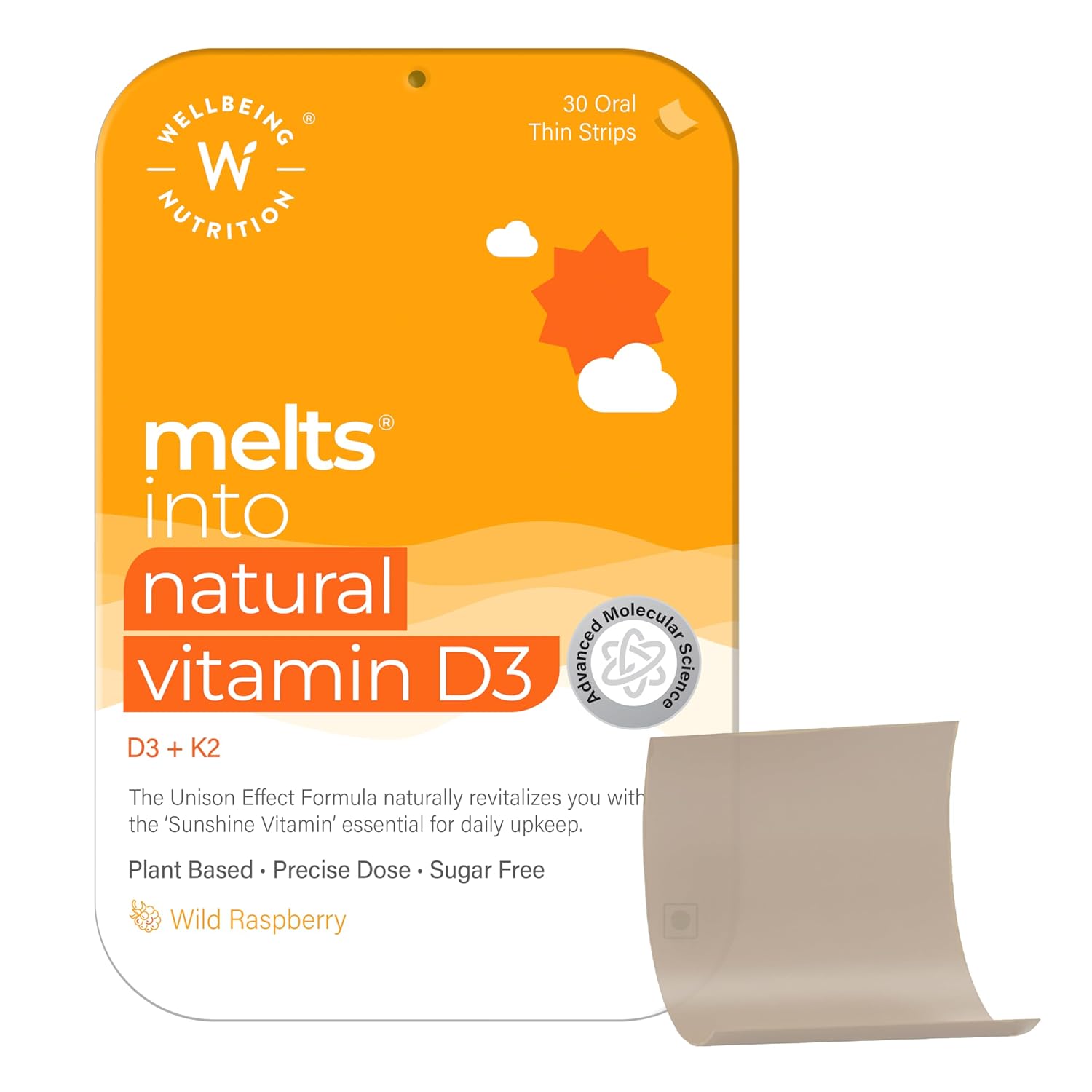
At ₹17/capsule, it is slightly more expensive per mg EPA+DHA than NOW Ultra — without the IFOS reassurance. The India-domestic convenience and wider pharmacy availability make it a practical choice for buyers who cannot reliably source import brands.
Full comparison 56
Sorted by score
ALA-only products scored 1.0–4.0
| Score | Brand | Product | Type | EPA / DHA | Price (INR) | Flag / Note |
|---|---|---|---|---|---|---|
| 8.7A | NOW | Ultra Omega-3 90 softgels | Fish oil — TG form | 500mg / 250mg | ₹1,299 | IFOS 5-star certified |
| 8.7A | NOW | Ultra Omega-3 180 softgels | Fish oil — TG form | 500mg / 250mg | ₹2,199 | IFOS 5-star certified |
| 8.6A | Nordic Naturals | ProOmega 2000 60 softgels | Fish oil — re-esterified TG | 760mg / 500mg | ₹4,299 | IFOS 5-star — high dose |
| 8.5A | Nordic Naturals | Algae Omega 60 softgels (vegan) | Algal DHA+EPA — vegan | 135mg / 195mg | ₹3,999 | Vegan · IFOS-equivalent · no mercury |
| 8.5A | Nordic Naturals | Ultimate Omega 60 softgels | Fish oil — TG form | 650mg / 450mg | ₹3,499 | IFOS 5-star certified |
| 8.5A | Thorne | Super EPA Pro 90 softgels | Fish oil — EE concentrate | 425mg / 100mg | ₹3,999 | NSF Certified for Sport |
| 8.4A | Carlson | Elite Omega-3 90 softgels | Fish oil — TG form | 800mg / 600mg | ₹2,299 | IFOS 5-star certified |
| 8.3A | Life Extension | Super Omega-3 120 softgels | Fish oil — EE | 700mg / 500mg | ₹2,499 | CoQ10 added variant available |
| 8.3A | Nutrigold | Triple Strength Omega-3 90 softgels | Fish oil — TG form | 647mg / 253mg | ₹2,799 | IFOS 5-star certified |
| 8.2A | Doctor's Best | Fish Oil 180 softgels | Fish oil — EE concentrate | 360mg / 240mg | ₹2,199 | IFOS certified batches |
| 8.1A | Solgar | Omega-3 Fish Oil 120 softgels | Fish oil — TG form | 504mg / 378mg | ₹3,499 | IFOS 5-star certified |
| 8.0A | Deva | Vegan Omega-3 DHA 200mg 90 softgels | Algal DHA — vegan | 0 / 200mg | ₹2,499 | DHA only (no EPA) — vegan |
| 7.9B+ | Zenwise | Algal DHA 60 softgels | Algal DHA — vegan | 0 / 200mg | ₹1,999 | DHA only — vegan option |
| 7.9B+ | Life Extension | Vegetarian DHA 60 capsules | Algal DHA — vegan | 0 / 200mg | ₹2,299 | DHA only — vegan |
| 7.8B+ | NOW | Algae DHA 100mg 60 softgels | Algal DHA — vegan | 0 / 100mg | ₹1,599 | Lower dose — DHA only, vegan |
| 7.8B+ | Swisse | Ultiboost Omega-3 150 capsules | Fish oil — EE | 300mg / 200mg | ₹1,999 | Australian brand — India import |
| 7.8B+ | GNC | Triple Strength Fish Oil 60 softgels | Fish oil — EE concentrate | 540mg / 360mg | ₹1,499 | GNC India authorised |
| 7.8B+ | Carbamide Forte | Triple Strength Omega-3 60 softgels | Fish oil — enteric coated | 360mg / 240mg | ₹699 | Best Indian brand — no IFOS |
| 7.8B+ | Carbamide Forte | Triple Strength Omega-3 90 softgels | Fish oil — enteric coated | 360mg / 240mg | ₹899 | Best Indian brand — no IFOS |
| 7.7B+ | TrueBasics | Triple Strength Omega-3 60 softgels | Fish oil — EE | 330mg / 220mg | ₹999 | No IFOS — no oxidation data |
| 7.6B+ | Nature Made | Fish Oil 1200mg 100 softgels | Fish oil — EE | 200mg / 134mg | ₹1,799 | USP verified |
| 7.6B+ | Natrol | Omega-3 Fish Oil 90 softgels | Fish oil — EE | 300mg / 200mg | ₹1,299 | — |
| 7.5B | OZiva | Plant-Based Omega-3 (algal) 60 capsules | Algal DHA — vegan | 0 / 150mg | ₹1,299 | Indian brand — algal DHA |
| 7.5B | Wellbeing Nutrition | Omega-3 Triple Strength 60 softgels | Fish oil — EE | 300mg / 200mg | ₹999 | No IFOS |
| 7.4B | NOW | Krill Oil 500mg 120 softgels | Krill oil — phospholipid form | ~100mg / ~55mg | ₹3,499 | Phospholipid form — low EPA+DHA/cap |
| 7.3B | GNC | Fish Oil 1000mg 90 softgels | Fish oil — EE | 180mg / 120mg | ₹999 | Standard strength — two caps needed |
| 7.3B | TrueBasics | Omega-3 Fish Oil 60 softgels | Fish oil — EE | 180mg / 120mg | ₹699 | Standard strength — two caps needed |
| 7.1B | Zenith Nutrition | Omega-3 120 softgels | Fish oil — EE | 180mg / 120mg | ₹799 | No oxidation data |
| 7.1B | Nutrabay | Pure Omega-3 60 softgels | Fish oil — EE | 180mg / 120mg | ₹699 | No IFOS — EPA/DHA disclosed |
| 7.0B | Amway Nutrilite | Ocean Essentials Balance 60 softgels | Fish oil — EE | 180mg / 120mg | ₹1,899 | MLM pricing — overvalued |
| 7.0B | MegaRed | Krill Oil 350mg 60 softgels | Krill oil — phospholipid | ~70mg / ~33mg | ₹2,499 | Very low EPA+DHA per cap — expensive |
| 6.9B- | MuscleBlaze | Fish Oil 90 softgels | Fish oil — EE | 180mg / 120mg | ₹599 | EPA/DHA not independently verified |
| 6.8B- | HealthKart | HK Vitals Fish Oil 60 softgels | Fish oil — EE | 180mg / 120mg | ₹499 | No IFOS — limited EPA+DHA/cap |
| 6.8B- | Centrum | Omega-3 Fish Oil 60 softgels | Fish oil — EE | 160mg / 110mg | ₹899 | Underdosed per capsule |
| 6.6C+ | OneLife | Fish Oil 60 softgels | Fish oil — EE | 180mg / 120mg | ₹499 | No oxidation data published |
| 6.5C+ | Fast&Up | Omega-3 Fish Oil 60 softgels | Fish oil — EE | 180mg / 120mg | ₹899 | — |
| 6.4C+ | Dr. Morepen | Omega-3 60 softgels | Fish oil — partial disclosure | Partial | ₹499 | EPA/DHA not fully disclosed |
| 6.2C | VLCC | Omega-3 Fish Oil 60 softgels | Fish oil — EE | Undisclosed | ₹699 | EPA/DHA not disclosed per capsule |
| 6.0C | Maxirich | Omega-3 60 softgels | Fish oil — undisclosed blend | Not stated | ₹399 | EPA/DHA not on label — avoid |
| 5.8C | Nutriburst | Omega-3 Gummies 60 gummies | Fish oil gummies — low dose | ~50mg / ~30mg | ₹999 | Gummy format — low dose, high sugar |
| 4.0F | Himalayan Organics | Flaxseed Oil Omega-3 60 capsules | ALA only — flaxseed | 0 EPA / 0 DHA | ₹499 | FLAG: ALA only — not EPA/DHA |
| 3.8F | INLIFE | Omega-3 Flaxseed Oil 60 softgels | ALA only — flaxseed | 0 EPA / 0 DHA | ₹399 | FLAG: ALA only — at least labeled flaxseed |
| 3.5F | WOW Life Science | Omega-3 Flaxseed Oil 60 softgels | ALA only — flaxseed | 0 EPA / 0 DHA | ₹399 | FLAG: ALA only — marketed as omega-3 |
| 3.5F | WOW Life Science | Omega-3 Flaxseed Oil 90 softgels | ALA only — flaxseed | 0 EPA / 0 DHA | ₹499 | FLAG: ALA only — marketed as omega-3 |
| 3.5F | Dabur | Flaxseed Oil Omega-3 60 softgels | ALA only — flaxseed | 0 EPA / 0 DHA | ₹449 | FLAG: ALA only — Dabur brand |
| 3.2F | HealthKart | HK Vitals Omega-3 (Flaxseed) 60 capsules | ALA only — flaxseed | 0 EPA / 0 DHA | ₹399 | FLAG: ALA only — widely confused with fish oil |
| 3.2F | Kapiva | Flax Omega-3 60 softgels | ALA only — flaxseed | 0 EPA / 0 DHA | ₹599 | FLAG: ALA only — herbal brand omega-3 claim |
| 3.0F | Patanjali | Flaxseed Omega-3 Oil 60 capsules | ALA only — flaxseed | 0 EPA / 0 DHA | ₹299 | FLAG: ALA only — Patanjali brand |
| 3.0F | Biotrex | Flaxseed Oil 1000mg 60 softgels | ALA only — flaxseed | 0 EPA / 0 DHA | ₹399 | FLAG: ALA only |
| 3.0F | Dr. Vaidya's | Omega-3 Flaxseed 60 capsules | ALA only — flaxseed | 0 EPA / 0 DHA | ₹499 | FLAG: ALA only |
ALA-only products (flaxseed, linseed, chia) are scored 1.0–4.0 on this rubric because they provide 0 EPA and 0 DHA — the active forms. They are not scored as zero because ALA has documented cardiovascular health benefits independent of EPA/DHA conversion; however they cannot fulfil the core purpose of an omega-3 supplement for EPA/DHA replacement.
Omega-3 brand verdicts
IFOS certification status, EPA+DHA label accuracy, and product source honesty — not brand marketing spend.
Omega-3 in India — the questions that matter
A 500mg flaxseed oil capsule yields at most ~45mg EPA and ~9mg DHA. A standard fish oil softgel provides 180–500mg combined EPA+DHA preformed. The flaxseed capsule provides approximately 5–10% of the EPA+DHA of a fish oil capsule. ALA has its own cardiovascular and lipid benefits — this is not an argument against flaxseed; it is an argument against selling flaxseed oil as a substitute for fish oil omega-3.
In India's context, IFOS matters for two reasons: (1) heavy metal contamination is a genuine concern with fish-derived supplements, particularly those sourced from South/Southeast Asian waters rather than Peruvian/Alaskan cold-water fish; and (2) rancidity — India's heat and humidity accelerate oxidation, and IFOS peroxide/anisidine data confirms the oil was in good condition at point of bottling. As of May 2026, no Indian-manufactured fish oil holds IFOS certification.
Most Indian fish oil products provide 180–300mg EPA+DHA per capsule. At the 180mg level, two capsules per day meets the WHO minimum. At the 500mg+ level (NOW Ultra), a single capsule meets the threshold. ALA-based products provide no meaningful EPA or DHA regardless of dose.
Algal DHA is the evidence-backed solution for Indian vegetarians. It provides preformed DHA — the same molecule found in fish oil — without any conversion overhead, and without mercury risk. Nordic Naturals Algae Omega, Deva Vegan DHA, and OZiva Plant-Based Omega-3 are available on Amazon.in. These are not a compromise — fish themselves synthesise DHA by eating algae; algal DHA is the primary source.
Rancid fish oil is particularly problematic in India because: (1) most supplements are stored in unrefrigerated warehouses in states like Maharashtra and Gujarat where summer temperatures exceed 35–40°C; (2) many Indian fish oil products travel through multiple intermediaries before reaching the consumer. Signs of potentially rancid product: discount deep beyond normal retail, capsules that are discoloured or sticky, strong fishy smell on opening the bottle rather than on cutting individual capsules.
Krill oil has some theoretical advantages (contains astaxanthin, phospholipid-bound EPA+DHA may target liver more effectively) but none of these has been demonstrated to translate to superior clinical outcomes in published RCTs.
References & sources
- Bhatt DL, Steg PG, Miller M, et al. (2019). Cardiovascular risk reduction with icosapent ethyl for hypertriglyceridemia. New England Journal of Medicine, 380(1), 11–22. doi:10.1056/NEJMoa1812792 — REDUCE-IT trial. Independent RCT
- Mozaffarian D, Wu JHY. (2011). Omega-3 fatty acids and cardiovascular disease: effects on risk factors, molecular pathways, and clinical events. Journal of the American College of Cardiology, 58(20), 2047–2067. doi:10.1016/j.jacc.2011.06.063
- ORIGIN Trial Investigators. (2012). n-3 Fatty acids and cardiovascular outcomes in patients with dysglycemia. New England Journal of Medicine, 367(4), 309–318. doi:10.1056/NEJMoa1203859 — null result at 1g/day.
- Burdge GC, Calder PC. (2005). Conversion of alpha-linolenic acid to longer-chain polyunsaturated fatty acids in human adults. Reproduction, Nutrition, Development, 45(5), 581–597. doi:10.1051/rnd:2005047
- Calder PC. (2013). Omega-3 polyunsaturated fatty acids and inflammatory processes: nutrition or pharmacology? British Journal of Clinical Pharmacology, 75(3), 645–662. doi:10.1111/j.1365-2125.2012.04374.x
- Serhan CN, Chiang N, Van Dyke TE. (2008). Resolving inflammation: dual anti-inflammatory and pro-resolution lipid mediators. Nature Reviews Immunology, 8(5), 349–361. doi:10.1038/nri2294
- Ghasemi Fard S, Wang F, Sinclair AJ, Elliott G, Turchini GM. (2019). How does high DHA fish oil affect health? A systematic review of evidence. Critical Reviews in Food Science and Nutrition, 59(11), 1684–1727. doi:10.1080/10408398.2018.1425978 — TG vs EE bioavailability.
- Whelan J, Rust C. (2006). Innovative dietary sources of n-3 fatty acids. Annual Review of Nutrition, 26, 75–103. doi:10.1146/annurev.nutr.25.050304.092810
- Bourre JM. (2007). Dietary omega-3 fatty acids necessary for brain structure and function. Journal of Nutrition, Health & Aging, 11(2), 109–112.
- Albert CM, Campos H, Stampfer MJ, et al. (2002). Blood levels of long-chain n-3 fatty acids and the risk of sudden death. New England Journal of Medicine, 346(15), 1113–1118. doi:10.1056/NEJMoa012918
- Lee SY, Cho SM, Chang PS, Lee JH. (2019). Authentication of the geographical origin of sesame oil and evaluation of sesame oil oxidation using fluorescence fingerprinting combined with chemometrics. Journal of Lipid Research — oxidation markers methodology.
- WHO/FAO. (2010). Fats and fatty acids in human nutrition: Report of an expert consultation. FAO Food and Nutrition Paper 91. Rome: FAO. ISBN 978-92-5-106733-8.
- FSSAI. (2022). Food Safety and Standards (Health Supplements, Nutraceuticals, etc.) Regulations, 2022. Food Safety and Standards Authority of India, New Delhi.
- Shahidi F, Ambigaipalan P. (2018). Omega-3 polyunsaturated fatty acids and their health benefits. Annual Review of Food Science and Technology, 9, 345–381. doi:10.1146/annurev-food-111317-095850
- Calder PC. (2006). n-3 polyunsaturated fatty acids, inflammation, and inflammatory diseases. American Journal of Clinical Nutrition, 83(6 Suppl), 1505S–1519S. doi:10.1093/ajcn/83.6.1505S
- IFOS — International Fish Oil Standards. (2023). IFOS testing protocols and 5-star certification requirements. Nutrasource, Guelph, Ontario. nutrasource.ca/ifos
Scoring methodology: five dimensions (EPA+DHA dose accuracy, ingredient form, purity documentation, India value, label honesty) each 0–10, unweighted average. ALA-only products capped at 4.0 on dose accuracy due to 0 EPA/DHA delivery. Prices reflect Amazon.in listings as of May 2026. No brand has paid for placement or review. Affiliate disclosure: some product links earn a small commission at no cost to you. Commission does not influence scores or rankings. Conflicts policy