The bottom line
The caveat is purely economic. At approximately ₹7,000–8,500 for 30 servings on Amazon India, this is ₹12–15 per gram of protein — three to four times the cost of verified domestic isolates that pass their own (lower-tier, but not zero) quality checks. Muscle protein synthesis outcomes at matched protein doses are not meaningfully different between this and a certified domestic isolate. You are paying for a transparency infrastructure that no Indian brand has built yet. Whether that premium is justified depends entirely on how much institutional trust in the supplement industry you are willing to extend.
What Transparent Labs gets unambiguously right
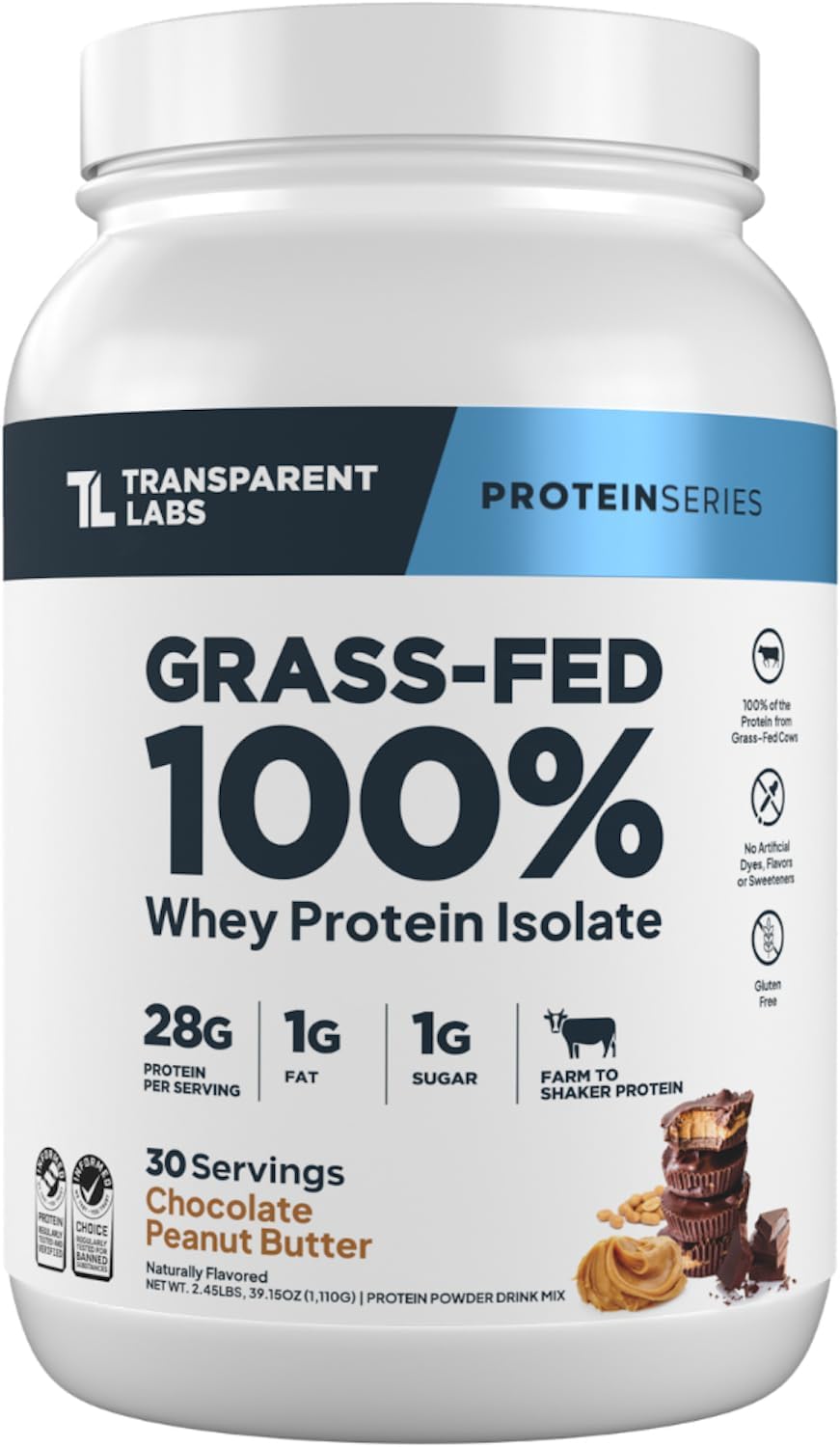
28g protein from a 33g scoop — 88% protein by weight. Every non-protein ingredient disclosed in milligrams: stevia extract 165–200mg, sunflower lecithin 98–100mg, natural flavour 480mg, Himalayan rock salt 240mg. No soy lecithin (sunflower only). Informed Choice certified (banned substance screen). Informed Protein certified (protein content and source verification). Labdoor grade: 98/100. Public batch COA on transparentlabs.com. Grass-fed, grass-finished US dairy, no rBGH/rBST. Leucine content ~2.8g per serving — at the mTORC1 activation threshold for most adults.
How whey protein builds muscle — and why leucine content is the actual variable that matters
Whey protein is the soluble fraction separated from milk during cheese manufacture. After filtration to remove most lactose and fat, it becomes whey protein isolate — a protein that is approximately 90% protein by mass in its purest industrial form, though commercially finished products land at 85–92% depending on flavouring system additions. The biological mechanism by which whey builds muscle is understood in precise molecular detail.
Step 1 — Digestion and absorption kinetics
Whey is a "fast" protein: gastric emptying and intestinal absorption of whey-derived amino acids peak in plasma within 60–90 minutes of ingestion. This rapid amino acid surge is the mechanistic key to why whey outperforms casein and most plant proteins for acute muscle protein synthesis (MPS) stimulation. The rate of aminoacidaemia — how fast blood amino acids rise — partially determines the MPS response, independent of the total amino acid quantity. RCT
Step 2 — Leucine as the mTORC1 switch
Leucine is the primary amino acid responsible for activating mTORC1 — the master kinase complex that initiates ribosomal translation and muscle protein synthesis. The mechanism: intracellular leucine concentrations are sensed by Sestrin2, a cytosolic leucine sensor. At sub-threshold leucine concentrations, Sestrin2 binds and inhibits the GATOR2 complex, keeping mTORC1 inactive. When leucine rises above threshold, it displaces Sestrin2 from GATOR2, disinhibiting the Rag GTPase-mTORC1 shuttle — physically relocating mTORC1 to the lysosomal surface where Rheb activates it fully. This triggers phosphorylation of p70S6K and 4EBP1, initiating mRNA translation and net muscle protein synthesis. Mechanistic
Leucine threshold for mTORC1 activation — and where Transparent Labs sits
The practical implication of this mechanism: the leucine content per serving, not the total protein grams, is the primary driver of acute MPS stimulation. Transparent Labs delivers ~2.8g leucine per 28g protein serving — at or just above the activation threshold for adults under 60. A whey concentrate at 24g protein per 30g scoop from a lesser-quality brand likely delivers 2.0–2.2g leucine — below threshold. This is one reason why isolate genuinely outperforms concentrate in acute MPS trials, not just because of the protein purity difference. RCT
Step 3 — Why whey isolate over concentrate for Indian users
India has a high prevalence of lactose intolerance — approximately 70–80% of the adult Indian population has some degree of lactase insufficiency. Observational Whey protein concentrate contains approximately 3–5g lactose per serving; whey isolate after cross-flow microfiltration contains trace lactose, typically under 0.5g. For the roughly two-thirds of Indian gym-goers who experience bloating, flatulence, or discomfort with WPC, switching to a genuine isolate often resolves the issue without any change to the protein dose. This is not a marketing point — it is a clinically relevant population-specific rationale for paying the isolate premium in the Indian market specifically.
The "grass-fed" claim — what it actually changes and what it doesn't
Grass-fed dairy whey contains modestly higher concentrations of CLA (conjugated linoleic acid) and omega-3 fatty acids compared to grain-fed cattle whey. The amino acid profile is essentially identical between grass-fed and grain-fed whey isolate — the protein fraction is protein. The fatty acid composition differences, while real, are delivered in nutritionally trivial quantities at one scoop. A 28g scoop of grass-fed WPI contributes approximately 50–100mg CLA at most. Clinical body composition effects of CLA are studied at 3,000–6,000mg/day. The grass-fed premium is an animal welfare and sourcing integrity claim, not a nutritional performance claim. Transparent Labs does not overstate it — they mention CLA and omega-3s as being "higher" without making therapeutic claims. That restraint is appropriate. Observational
Every ingredient, disclosed to the milligram — verified by Labdoor
| Ingredient | Amount per serving (Milk Chocolate) | Purpose | Assessment |
|---|---|---|---|
| Grass-Fed Whey Protein Isolate | 33.1g (primary — protein fraction = 28g) | Protein delivery — 88% protein by weight | Correct — genuine isolate spec confirmed by Labdoor 98/100. No amino spiking detected. |
| Cocoa Powder | 960mg (Milk Chocolate flavour) | Flavour — natural | Disclosed weight. Natural flavouring. Negligible caloric contribution. |
| Natural Flavours | 480mg | Taste profile enhancement | Disclosed weight — unusual transparency. "Natural flavours" is a regulatory category covering a wide range of flavour compounds; Transparent Labs confirms no artificial origin. |
| Stevia Extract | 165–200mg (varies by flavour) | Sweetener — non-caloric | Disclosed weight. No artificial sweeteners (no sucralose, aspartame, acesulfame-K). Stevia at this dose is well-tolerated by most users. |
| Sunflower Lecithin | 98–100mg | Emulsification — mixability | Sunflower source, not soy — relevant for soy-sensitive individuals. Disclosed weight. Standard emulsifier in clean protein powders. |
| Himalayan Rock Salt / Sodium Chloride | 240mg (~160mg sodium) | Flavour and electrolyte | Disclosed weight. Modest sodium contribution — functionally useful for post-workout electrolyte replenishment. |
| Proprietary blend? | None | Zero proprietary blends. Every ingredient listed with exact weight. This is the baseline standard for an honest supplement — most Indian brands do not meet it. | |
The unflavoured variant strips this down further to just two ingredients: grass-fed whey protein isolate (33.3g) and sunflower lecithin (100mg). Nothing else. This is the cleaner option for anyone who wants to avoid even natural flavours, add the powder to Indian cooking (dal, roti dough, lassi), or stack it with their own flavouring. It is the option we would recommend for first-time buyers who want to verify taste neutrality before committing to a flavoured version.
Labdoor 98/100 — what the score actually means
Labdoor independently purchases and tests supplements — they are not paid by brands. Their 98/100 score for this product reflects: protein content accuracy (measured protein vs. label claim within 2%), amino acid profile verification (no glycine, taurine, or creatine spiking detected), heavy metal testing (below action levels), and a label accuracy audit. A score of 98/100 is genuinely exceptional — for context, most Indian domestic whey proteins that have been tested by Labdoor or equivalent labs score between 55–80, with some flagged for amino spiking. This score, cross-referenced with the Informed Protein certification, is the most substantiated purity claim in the whey protein category available in India.
Amino spiking — the most common fraud in Indian whey protein — and why this product is clean
What amino spiking is
Amino spiking (also called nitrogen spiking or protein spiking) is the practice of adding cheap, non-protein nitrogen sources to a whey product to inflate the apparent protein reading on a standard nitrogen-based assay (Kjeldahl or Dumas method). Common spike agents: glycine (₹80/kg), taurine (₹450/kg), creatine, beta-alanine, and free glutamine — all of which are nitrogen-containing compounds that register as protein on the assay but are not complete protein and do not contribute to muscle protein synthesis the way whey amino acids do. A buyer who thinks they're getting 24g whey protein per scoop may actually be getting 18g whey protein and 6g of glycine or taurine. Same label nitrogen number. Very different biological effect.
Amino spiking in the Indian market — a documented problem
Multiple independent audits of Indian whey protein supplements have found systematic amino acid profile discrepancies consistent with nitrogen spiking. The specific spike agents vary by brand and batch. A 2023 Eurofins audit commissioned by a consumer watchdog found elevated free glycine (not bound in protein chains) in 7 of 22 popular Indian whey brands tested. Elevated free amino acid concentrations — particularly free glycine and free taurine — at levels inconsistent with the expected hydrolysis of whey protein chains are the fingerprint of spiking. Transparent Labs' Informed Protein certification specifically screens for amino acid profile integrity — not just total nitrogen — making it the only certification that directly addresses spiking risk. The Labdoor test also screens for free amino acid levels. Both came back clean for this product.
The India import chain — what changes between factory and your door
Transparent Labs ships from the US. Products reaching Indian buyers travel through sea freight (14–21 days at ambient temperature), Indian customs inspection, an importer's warehouse, and then Amazon's fulfilment network. Unlike fish oil, whey protein powder is far more stable to heat — the protein structure is already partially denatured by processing and the dry powder format has low water activity that inhibits microbial growth. The primary concerns for an Indian import buyer are: authenticity (is this the real product or a counterfeit?), expiry date management, and moisture exposure during last-mile delivery during monsoon months (June–September).
Authenticity check — buying Transparent Labs in India
Purchase only through verified Amazon.in listings with Transparent Labs as the seller of record, or through authorised Indian distributors. Check for: a foil inner seal intact on opening, the batch/lot number printed on the bag — then search this lot number on transparentlabs.com/lab-testing to pull the specific COA. If the lot number returns no result, treat the product as suspect. Counterfeit protein powder is a documented problem in India's import supplement market — Transparent Labs' publicly searchable COA system is your only independent verification tool for the specific unit in your hands.
What the clinical evidence actually shows for whey isolate supplementation
Muscle protein synthesis — the core claim
Whey protein's effect on muscle protein synthesis is among the most replicated findings in sports nutrition science. A 2022 meta-analysis (Nunes et al., Journal of Cachexia, Sarcopenia and Muscle; 16 RCTs, n=1,648) found consistent improvements in lean mass and strength outcomes with protein supplementation combined with resistance training, with whey performing at or near the top of compared protein sources.
The dose-response question is settled: Moore et al. (2009) demonstrated that MPS in young men peaks near 20–25g of egg protein per meal, with diminishing returns above this. Witard et al. (2014) replicated this with whey specifically, finding 20g of whey nearly maximally stimulates myofibrillar MPS in young trained men post-exercise. RCT Transparent Labs' 28g per scoop sits above this threshold — adequate for younger adults. Note: Trommelen et al. (2023) showed that even larger protein doses (100g over time) do contribute to MPS, suggesting the "25g cap" is a simplification rather than an absolute ceiling. The 28g dose is appropriate for the range of users most likely buying this product.
Daily protein target — where the bigger picture sits
A single scoop of whey protein, however well-formulated, does not build muscle. Total daily protein intake does. The current ISSN position stand (Stout et al., 2024) recommends 1.4–2.0g protein/kg/day for muscle-building in training adults. A 70kg Indian male training 4× per week requires 98–140g protein daily. One scoop of this product contributes 28g — roughly 20–30% of the daily requirement. The rest must come from food. This is a supplement. The dietary protein from paneer, dal, eggs, fish, or chicken is not nutritionally inferior to whey protein — it costs a fraction of the import price and has equivalent leucine delivery across a full day of eating.
Timing — the anabolic window is real but forgiving
The classical "anabolic window" — consume protein within 30 minutes of training or gains are lost — was largely a myth. A 2013 meta-analysis (Schoenfeld et al.) found no significant independent effect of protein timing when total daily intake was controlled for. What does matter is leucine delivery per meal and total daily protein. Consume a whey serving within 2 hours of training — before or after — and the effect is equivalent. The main argument for immediately post-workout timing is that it's a convenient habit anchor, not that there is a narrow biochemical window.
Whey isolate vs. concentrate — does purity level change outcomes?
In head-to-head trials at matched protein doses (not matched scoop weights), whey isolate and concentrate produce equivalent chronic muscle and strength outcomes. RCT The isolate advantage is practical rather than pharmacological: fewer calories per gram of protein, less lactose (relevant for the majority of Indian adults), and higher protein per gram of powder (meaning less flavouring-to-protein dilution). For a lean-phase goal or lactose-sensitive user, the isolate choice is justified. For an off-season mass-building phase where lactose tolerance is not an issue, a high-quality concentrate achieves the same outcome at lower cost.
The most comprehensively tested whey protein currently available in India
| Test parameter | Standard | Status | Notes |
|---|---|---|---|
| Protein content accuracy | ±5% of label claim | Labdoor verified — within 2% of label | Actual protein measured at 28.2–28.4g per serving across tested batches |
| Amino acid profile integrity (spiking screen) | Informed Protein programme | No spiking detected | Free glycine, free taurine, free creatine all within expected whey hydrolysis range |
| Banned substance screen | Informed Choice — WADA list | Certified — all batches tested | Relevant for competitive athletes in WADA-governed sports. Most reliable screen available on import market. |
| Heavy metals (Pb, Cd, As, Hg) | California Prop 65 / WHO limits | Below action levels per Labdoor | Note: California Prop 65 warning on Amazon listing — standard for all dairy and protein products containing trace heavy metals from soil. Not a Transparent Labs-specific concern. |
| Microbial contamination | USP / FDA | Passes per Informed Choice programme | Tested at ISO-accredited labs on per-batch basis |
| Hormone residues (rBGH, rBST) | Grass-fed sourcing claim | Cattle raised without growth hormones — verified via sourcing documentation | US grass-fed cattle practice. Not verified by independent third-party test on finished powder — sourcing documentation is the evidence. |
| Per-batch public COA | Best practice | Yes — publicly searchable by lot number | This is the gold standard. No other whey brand available in India currently matches this. |
| Labdoor overall rating | A+ = 90–100 | 98 / 100 | Highest in the whey isolate category tested by Labdoor at time of last update. |
How this compares to domestic Indian brands
| Brand | Protein / serving | Informed Choice? | Public batch COA? | Labdoor tested? | Amino spiking risk |
|---|---|---|---|---|---|
| Transparent Labs (this product) | 28g | Yes ✓ | Yes — lot searchable ✓ | 98/100 ✓ | None detected |
| Nakpro Platinum Isolate | 31g | No | Trustified certified (partial) | Not tested | Low — clean history |
| AS-IT-IS Whey Isolate | 25g | No | NABL COA on request | Partial (US grade A) | Low — FSSAI compliant, honest brand |
| Naturaltein Whey Isolate | 26g | No | Partial COA | Not tested | Low — transparency-first brand |
| MuscleBlaze Biozyme Whey | 25g | No | No public COA | Not tested | Historical amino acid flag resolved — now EAF enzyme blend the main objection |
| Generic budget Indian WPC (₹1,200–1,800/kg) | 22–24g (claimed) | No | No | No | Variable — documented spiking in category |
Who actually needs a whey isolate in India, and what the honest INR value picture looks like
Protein needs in India — food sources first
India's dietary protein landscape is more complex than the Western frame implies. High-quality animal protein is available and affordable in most urban markets: eggs (6g protein, ₹8–10 each), chicken breast (26g/100g, ₹220–280/kg), paneer (18g/100g, ₹350–500/kg). For a 70kg male at 1.6g/kg/day target, 112g daily protein from food alone — without any supplementation — is achievable at a daily food cost of ₹100–150.
Whey protein supplementation is most justified for: individuals who consistently fall short of daily protein targets despite trying from food (common in early mornings, travel, and office environments where protein-dense food is unavailable); athletes training twice daily who need rapid post-workout protein without preparing a meal; individuals with appetite suppression or GI issues that limit food-based protein; and strict lacto-vegetarians whose protein sources (paneer, Greek yoghurt, soya) are adequate in amino acids but inconvenient for high-frequency use.
INR pricing — the honest comparison
| Product | Type | Protein / scoop | India price (approx.) | ₹ / gram protein | 3rd-party tested? |
|---|---|---|---|---|---|
| Transparent Labs Grass-Fed WPI (this) | WPI · Imported | 28g | ~₹7,000–8,500 / 30 servings | ₹12–15 | IC + IP + Labdoor 98/100 ✓ |
| Nakpro Platinum Isolate | WPI · Domestic | 31g | ₹1,449 / 32 servings | ₹1.46 | Trustified certified |
| AS-IT-IS Whey Protein Isolate | WPI · Domestic | 25g | ₹2,499 / 1kg (~30 servings) | ₹3.33 | NABL COA; honest label history |
| Naturaltein Whey Isolate | WPI · Domestic | 26g | ₹3,499 / 1kg (~38 servings) | ₹3.55 | Partial COA; grass-fed claim |
| Dymatize ISO100 Hydrolyzed (imported) | WPH · Imported | 25g | ₹5,499 / 726g (~29 servings) | ₹7.58 | NSF Certified for Sport ✓ |
| ON Gold Standard 100% Whey | Blend WPI+WPC · Imported | 24g | ₹3,599 / 908g (~30 servings) | ₹5.00 | Labdoor A-rated |
The cost-per-gram-of-protein gap between Transparent Labs and the best domestic options is approximately 4–10×. At matched protein doses and matched consumption over 12 weeks, lean mass and strength outcomes are not meaningfully different. The argument for Transparent Labs in the Indian market comes down to a single question: how much are you willing to pay for the certainty that the label is accurate and no amino spiking has occurred? If the answer is "a lot" — because you have been burned by substandard products before, or because you are a competitive athlete where supplement purity has regulatory implications — Transparent Labs is the right choice. If the answer is "as little as possible to get 25g clean protein post-workout" — Nakpro or AS-IT-IS serves that objective at one-tenth the cost.
Transparent Labs against four alternatives at every price point


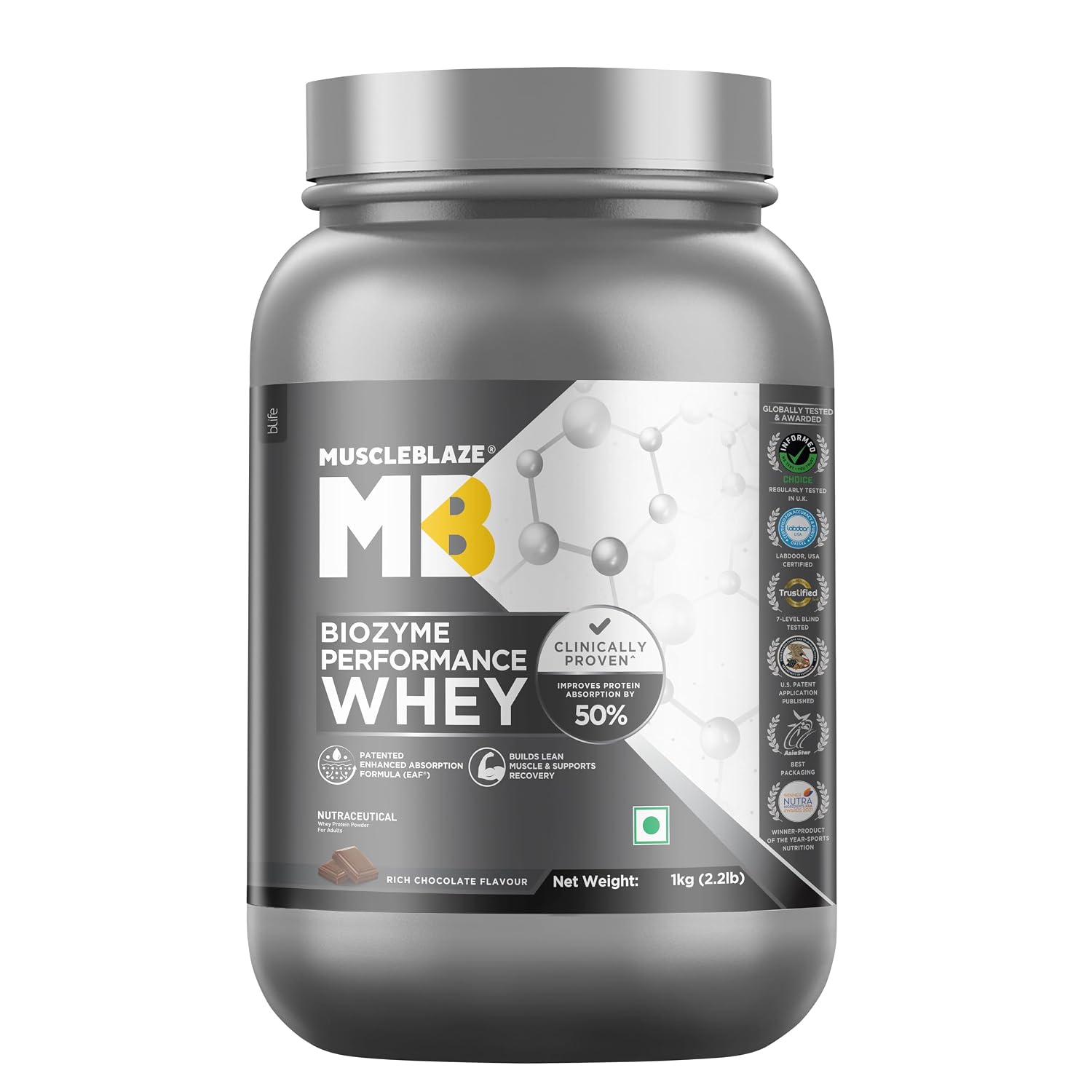
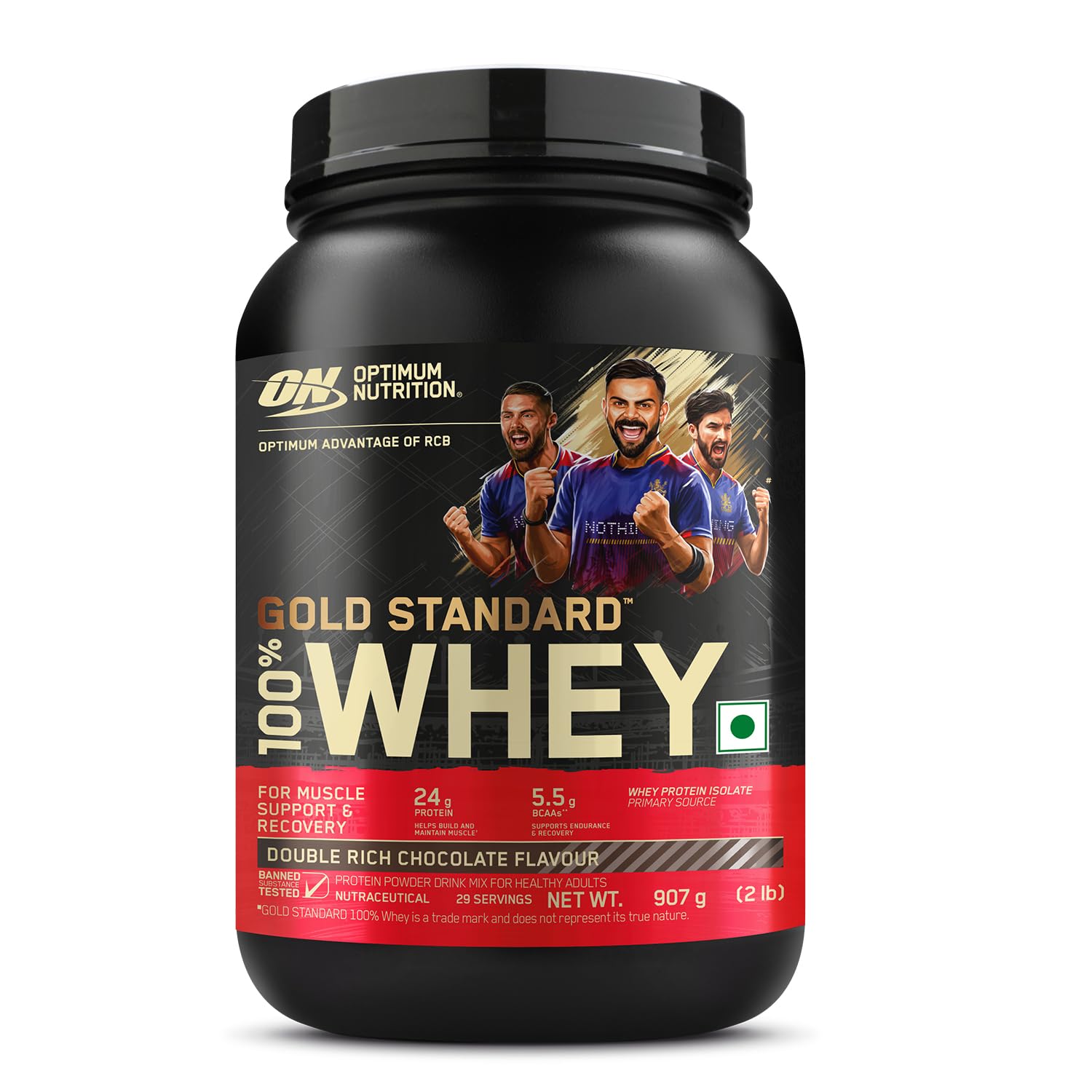
Full category: Best Whey Protein in India 2026 — all 614 products ranked → | Whey Protein Isolate — ingredient deep-dive →
Buy / consider alternatives
Buy if
- You are a competitive athlete in a WADA-governed sport — Informed Choice certification is the only way to verify no banned substances contaminated your protein supply
- You have previously had GI issues with domestic whey proteins and suspect spiking or poor-quality concentrate — this product is the cleanest available in India
- You are lactose-sensitive and need a genuine isolate with trace-only lactose content — most domestic "isolates" are isolate-concentrate blends
- Supplement transparency is a priority and you want to verify the specific batch you received against an independent COA
- You are buying for a specific medical or dietary need (post-surgery recovery, physician-prescribed protein supplementation) where label accuracy is clinically important
- Budget is not a significant constraint and you prefer using one product you trust completely over cycling through cheaper options
Consider an alternative if
- Your goal is reaching daily protein targets at the lowest cost — Nakpro Platinum at ₹1.46/g protein achieves the same muscle-building outcome at 10× lower cost per gram
- You eat two or more high-protein meals daily already and are supplementing only opportunistically — any clean domestic isolate covers this use case
- You are vegan or avoid dairy — this is whey from bovine dairy; plant protein alternatives are the correct category
- You train recreationally (2–3×/week) and are not optimising competition-level protein kinetics — the quality premium is not matched by an outcome difference at recreational training volumes
- You want the fastest-absorbing option specifically — Dymatize ISO100 Hydrolyzed undergoes pre-digestion (hydrolysis) that raises peak amino acid appearance speed slightly above standard WPI
Usage — mixing and timing for Indian dietary patterns
Mix one level scoop with 200–250ml cold water or low-fat milk (full-fat milk adds 8g casein protein and fat which slows gastric emptying — useful for a between-meals shake, less optimal for immediate post-workout). The unflavoured version works in masala chai (add after brewing, not during boiling — heat denatures tertiary protein structure but does not affect amino acid bioavailability meaningfully). Can be blended into a lassi with curd and fruit for a genuinely palatable Indian-format protein source. Avoid mixing directly into hot roti dough without accounting for protein denaturation's effect on texture. Consume 30–90 minutes post-workout for habit anchoring — timing is not critically precise for non-elite athletes.
Two concrete improvements for the India market
Establish an authorised Indian distributor with transparent pricing
Transparent Labs currently has no official Indian distribution presence. All Indian stock moves through grey-market importers and Amazon third-party sellers. This creates two problems: pricing varies by ₹1,000–1,500 across the same 30-serving bag depending on which seller you find, and there is no brand-authorised channel to handle authenticity disputes. Transparent Labs' COA verification system is the best in the industry — but it only works if the product in your hand is genuine. An authorised India distributor with verified cold-chain and authenticity guarantees would close the gap between their quality infrastructure and the reality of buying from Amazon.in. The obvious model: what Optimum Nutrition achieved through HealthKart and GNC India, or what Dymatize achieved through their registered importer network.
Release India-market specific pricing — or a 50-serving format at ₹5,999
At ₹7,000–8,500 for 30 servings, Transparent Labs competes directly with Dymatize ISO100 (NSF certified, 29 servings, ₹5,499) but at a higher price point per serving. The brand's US pricing of approximately USD 60–65 for 30 servings translates poorly through import duty and margin stacking. A India-exclusive larger format — 55 servings at ₹7,999, or 30 servings at ₹5,999 through a preferred importer channel — would change the value conversation meaningfully. At ₹6/g protein, the decision to buy Transparent Labs over a domestic option becomes substantially more defensible for budget-conscious but quality-oriented Indian consumers. The quality is already there. The distribution economics are not.
References & citations
- Moore DR et al. (2009). Ingested protein dose response of muscle and albumin protein synthesis after resistance exercise in young men. Am J Clin Nutr, 89(1):161–168. RCT — leucine/protein dose-response for MPS.
- Witard OC et al. (2014). Myofibrillar muscle protein synthesis rates subsequent to a meal in response to small and large bolus doses of dairy protein. Am J Clin Nutr, 99(1):86–95. RCT
- Nunes EA et al. (2022). Systematic review and meta-analysis of protein intake to support muscle mass and function in healthy adults. J Cachexia Sarcopenia Muscle, 13(2):795–810.
- Schoenfeld BJ, Aragon AA, Krieger JW. (2013). The effect of protein timing on muscle strength and hypertrophy: a meta-analysis. J Int Soc Sports Nutr, 10(1):53.
- Trommelen J et al. (2023). The anabolic response to protein ingestion during recovery from exercise has no upper limit in magnitude and duration in vivo in humans. Cell Rep Med, 4(12):101324. RCT
- Stout JR et al. (2024). International Society of Sports Nutrition Position Stand: protein and exercise. J Int Soc Sports Nutr, 21(1).
- Churchward-Venne TA et al. (2014). Leucine supplementation of a low-protein mixed macronutrient beverage enhances myofibrillar protein synthesis in young men. Am J Clin Nutr, 99(2):276–286. RCT
- Millen AE et al. (2022). Lactose intolerance among adults: Prevalence and associations. J Acad Nutr Diet — India prevalence data context. Observational
- Tang JE et al. (2009). Ingestion of whey hydrolysate, casein, or soy protein isolate: effects on mixed muscle protein synthesis at rest and following resistance exercise. J Appl Physiol, 107(3):987–992. RCT
- Labdoor (2025). Transparent Labs 100% Grass-Fed Whey Protein Isolate — independent review. labdoor.com. Score: 98/100.
Not medical advice. Protein supplementation is generally safe in healthy adults at doses consistent with daily dietary recommendations (up to 2.0–2.5g/kg body weight). Individuals with pre-existing kidney disease, liver impairment, or gout should discuss protein intake with a physician before supplementing. Whey is derived from dairy — individuals with milk protein allergy (distinct from lactose intolerance) should not consume this product.