Best Yeast Protein
Powder in India 2026
7 fermented yeast protein powders scored on protein content, PDCAAS, amino acid profile, lab testing, digestibility, and value. Yeast protein is India's newest protein category — PDCAAS 1.0, dairy-free, bloat-free, vegan. The evidence base is early but promising. We evaluated every major Indian brand.
A novel protein category that achieves PDCAAS 1.0 while being entirely dairy-free, soy-free, and vegan. Produced by fermenting Saccharomyces cerevisiae under controlled conditions, yeast protein delivers a complete amino acid profile comparable to whey. The category is new in India (most launches post-2024), so long-term RCT data specific to yeast protein is limited. Early evidence and amino acid profiling are promising. The main advantage over plant proteins: no bloating, complete EAA profile, and better solubility.
The evidence case
Fermented yeast protein (Saccharomyces cerevisiae) is a complete protein source produced through controlled biofermentation. The yeast biomass is harvested, cell walls are partially disrupted, and the protein fraction is isolated and spray-dried. The result is a powder containing 70–80% protein by weight, with a complete essential amino acid profile and a PDCAAS of 1.0 — matching whey and casein. Unlike pea or soy protein, yeast protein contains no anti-nutritional factors (trypsin inhibitors, phytates, saponins) that impair digestion or mineral absorption.
Why yeast protein matters for India specifically
India has ~30% lactose intolerance prevalence, making whey protein uncomfortable for a significant population segment. Traditional plant proteins (pea, soy) cause bloating due to anti-nutritional factors and have incomplete amino acid profiles. Yeast protein eliminates both problems: PDCAAS 1.0 with zero dairy, zero soy, zero bloating. For India's large vegetarian population seeking complete protein supplementation without digestive distress, fermented yeast protein is the most compelling new category since whey.
Brand breakdown
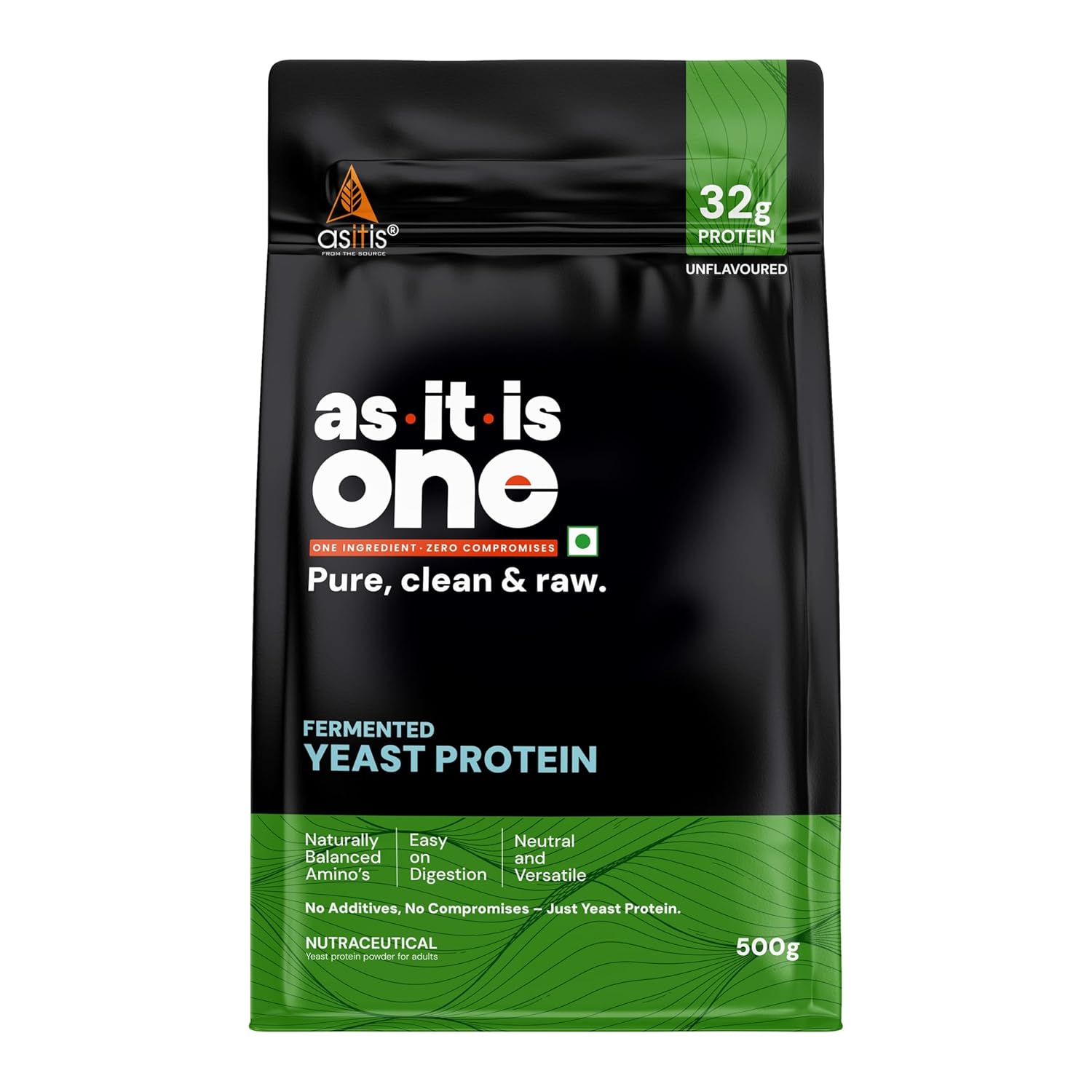
AS-IT-IS continues to lead on transparency. Their One Fermented Yeast Protein is a single-ingredient formulation — no flavouring, no sweeteners, no fillers. Each 40g serving delivers 32g of complete protein with a PDCAAS of 1.0. Every batch is lab-tested for purity, heavy metals, and microbial safety, with QR-code verification on each pouch.
The unflavoured, unsweetened format is deliberate — it mixes into dals, curries, rotis, upma, and oats without altering taste. This is the cleanest macro profile in the category. Non-GMO, dairy-free, soy-free, gluten-free. GMP-certified manufacturing. If you want the most transparent yeast protein in India, this is it.
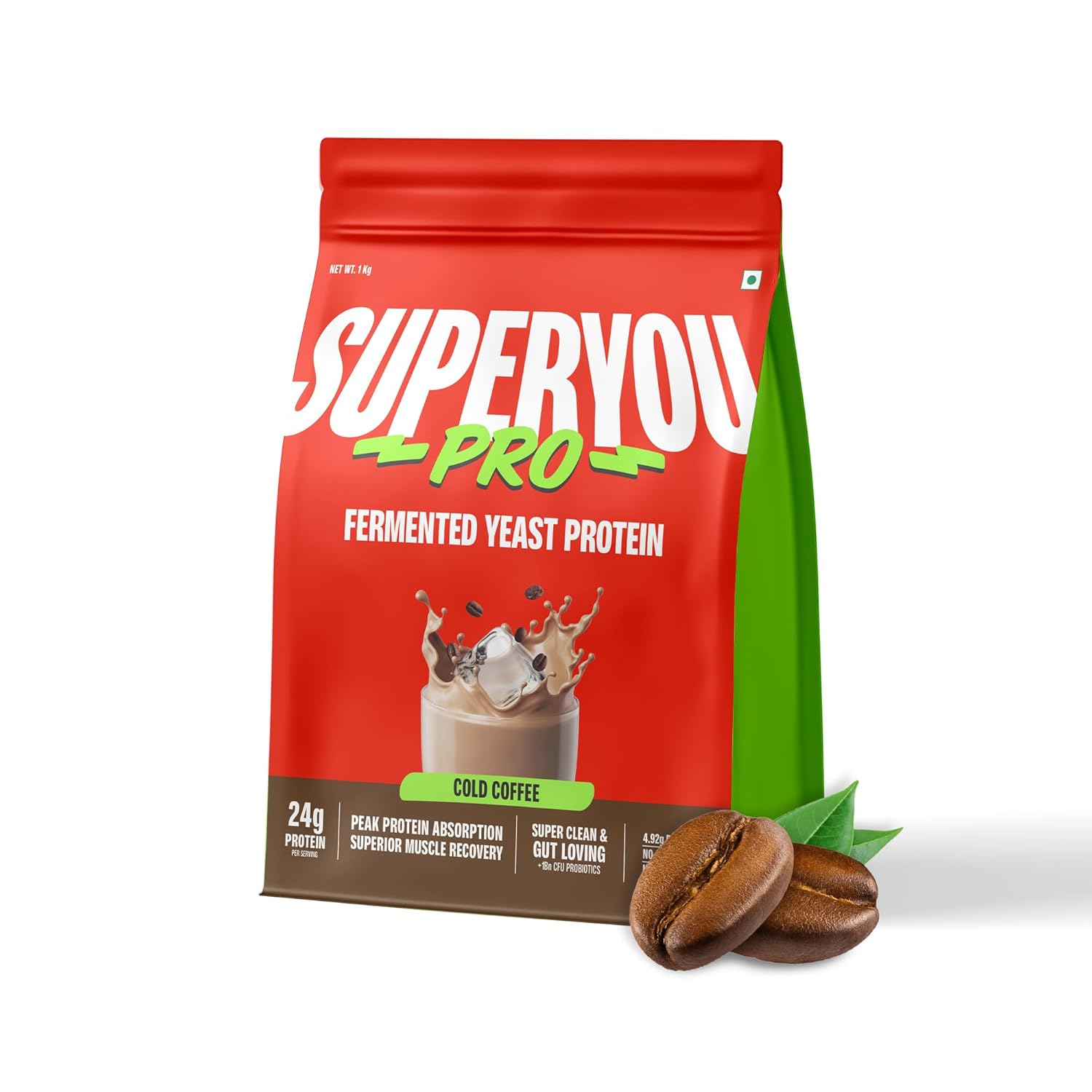
Co-created by Nikunj Biyani and Ranveer Singh, SuperYou PRO is among the first brands to bring bio-fermented yeast protein to India at scale. The protein achieves a PDCAAS of 1.0 with 24g protein per scoop (flavoured) or 27g (unflavoured). Includes natural digestive enzymes and 1 billion CFU probiotics per serving. Sweetened with monk fruit — no added sugar.
Available in cold coffee, chocolate, and unflavoured variants. Customer reviews report smooth mixability and easy digestion, though taste opinions are mixed on flavoured versions. The bio-fermentation technology claims are legitimate — this is genuine yeast-derived protein, not a plant blend with yeast marketing. Allergen-free: no dairy, lactose, gluten, or soy.
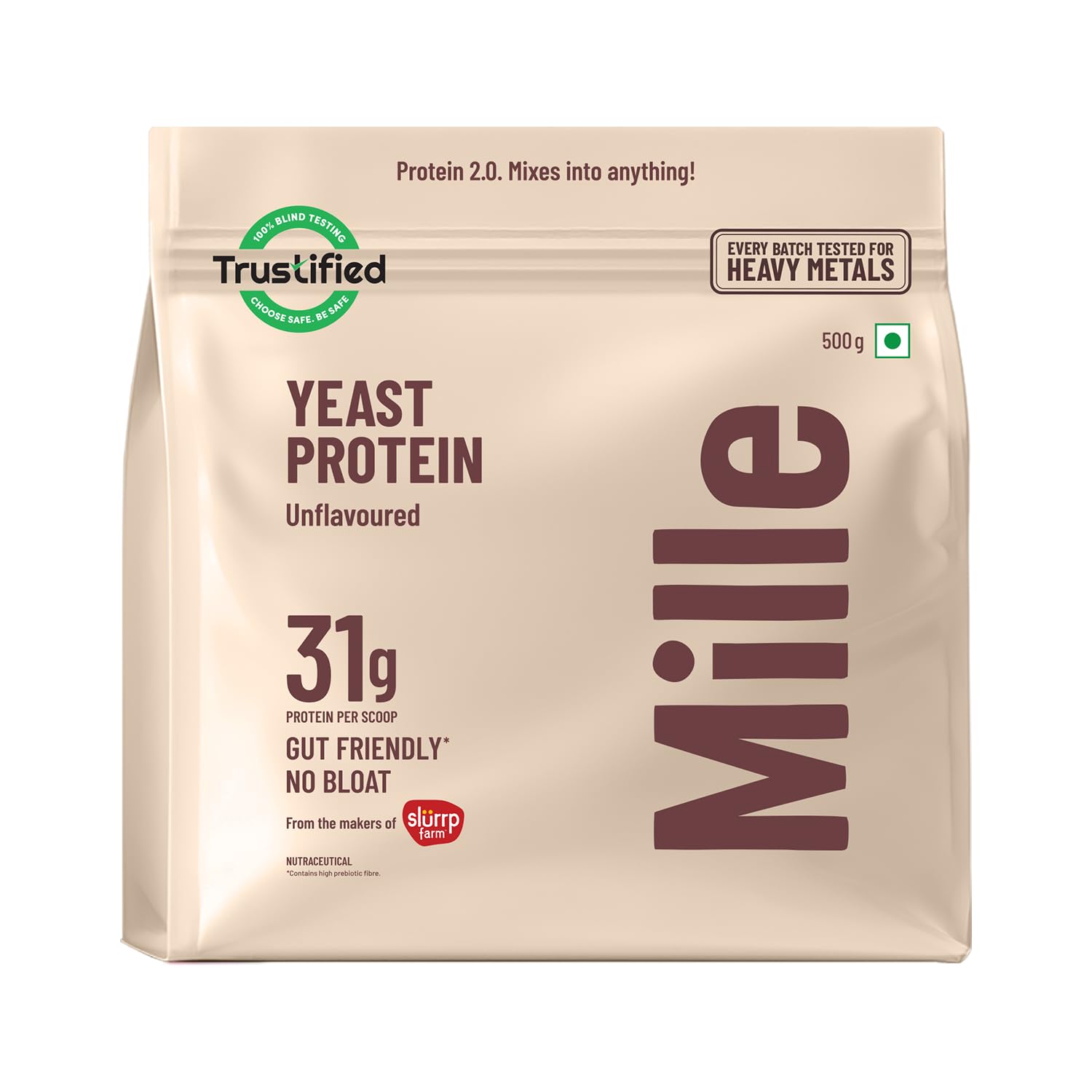
Mille takes a fundamentally different approach: this is a food-grade yeast protein designed to mix into everyday Indian meals, not just shakes. The highest protein density in this category at 31g per scoop. Completely unflavoured and finely powdered, it mixes invisibly into food without altering taste, texture, or aroma. Heat-stable, so it survives cooking.
The food-integration angle is compelling for Indians who find protein shakes unappealing. Add it to dal, chapati atta, upma, dosa batter, or porridge. Contains natural prebiotic fibre from yeast cell walls. PDCAAS 1.0. Vegan. No bloating reported by customers. At ∼₹6/serving, it's one of the most affordable per-serving options in any protein category. The only drawback: available only in 500g packs.
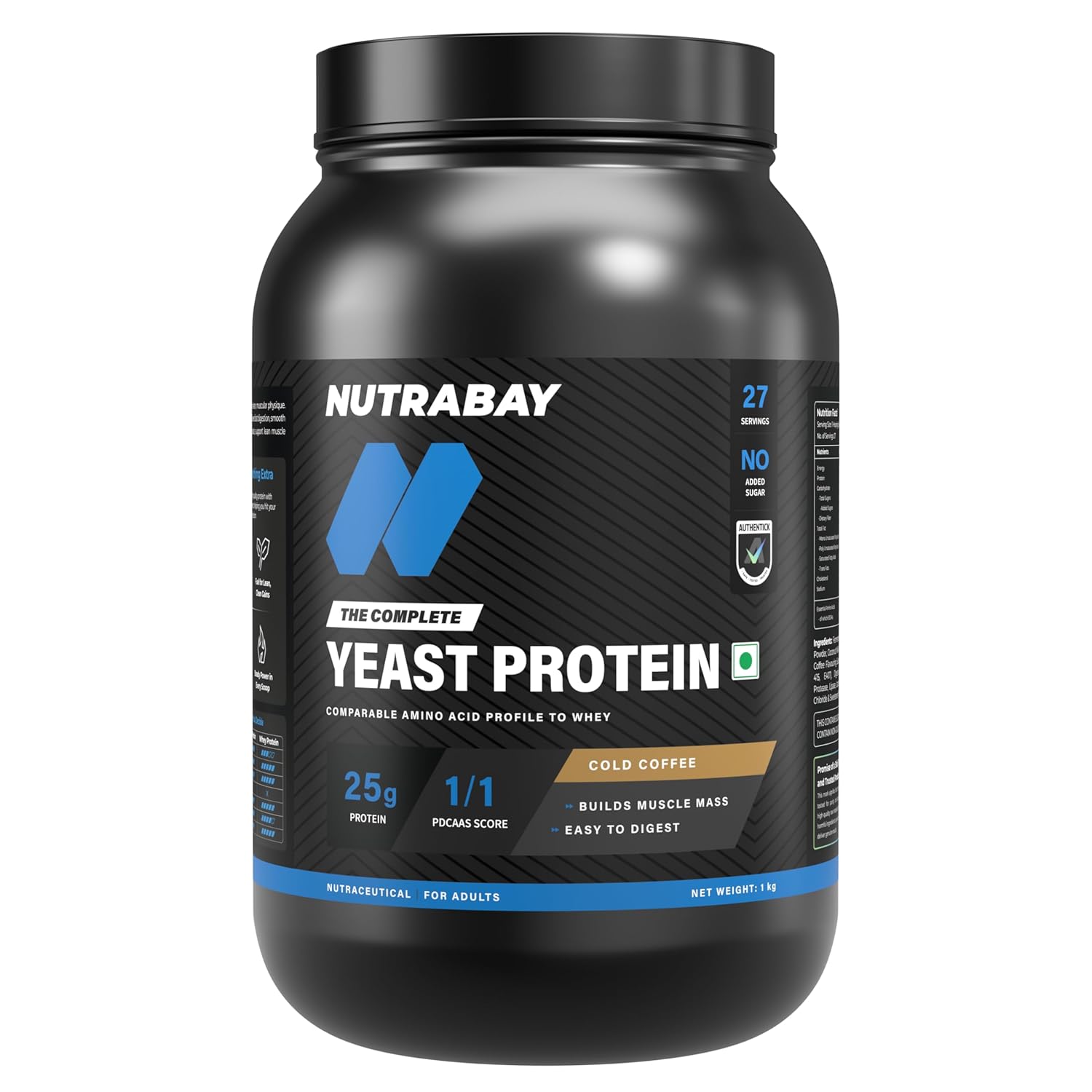
Nutrabay was among the first Indian supplement retailers to stock yeast protein at scale. Their own-brand formulation delivers 25g protein and 6.7g BCAA per serving with all 9 essential amino acids. PDCAAS of 1.0. Available in multiple flavours including Rich Chocolate Crème and Cold Coffee.
At ∼₹1,329 per kg, this is the best price-per-gram for yeast protein in India. Sugar-free, lactose-free, soy-free. The BCAA content (6.7g per serving) is explicitly declared — a transparency signal many competitors don't offer. Nutrabay's established supply chain and QC infrastructure add confidence. The deduction: no publicly available third-party lab test results for the yeast protein variant specifically.
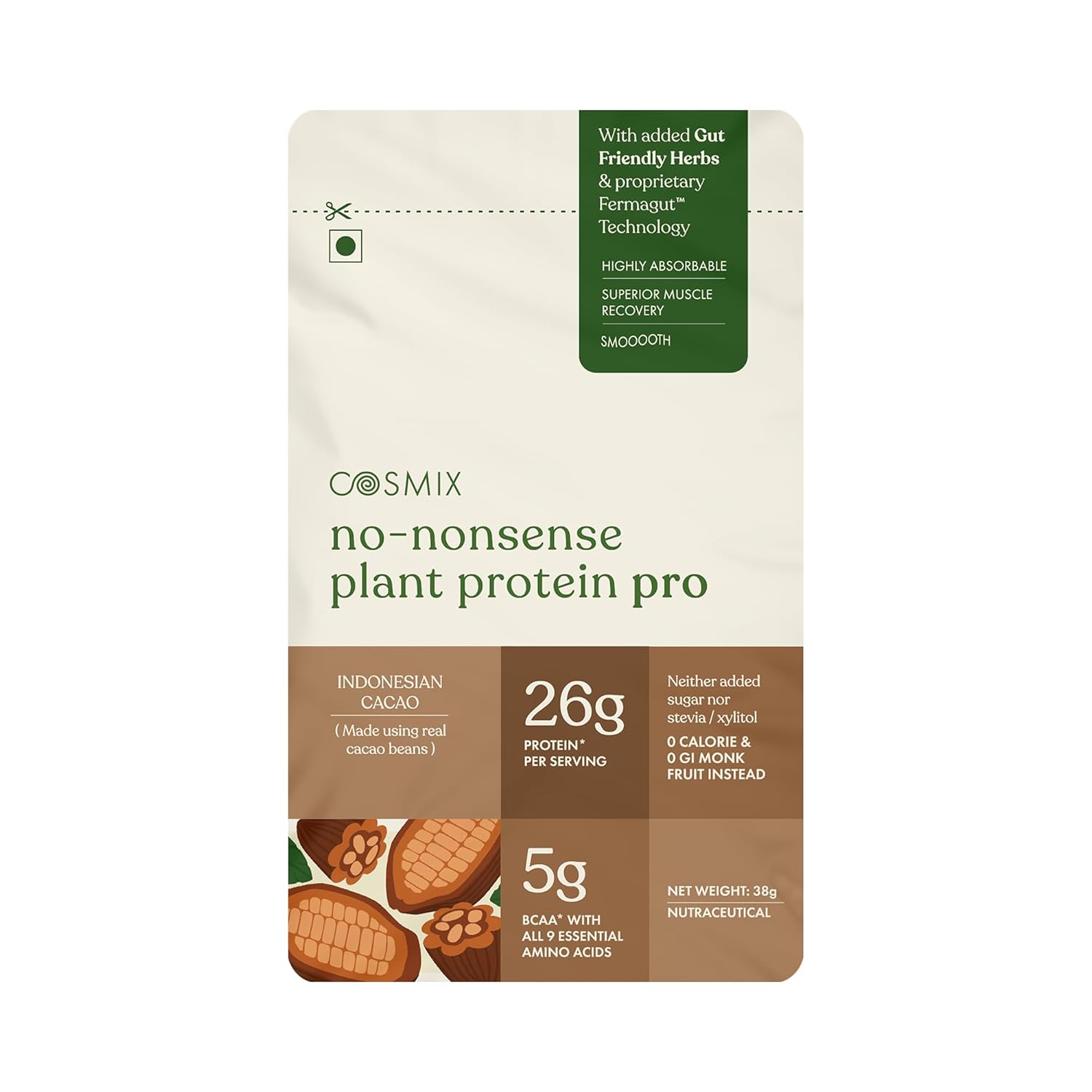
Cosmix stands out for third-party verification: each batch is tested by an FSSAI-approved, NABL-accredited lab for heavy metals and microbiology. Their FERMAGUT™ technology uses fermented yeast combined with pea and rice protein isolate to achieve PDCAAS 1.0. The blend approach means this isn't a pure yeast protein — it's a yeast-enhanced plant protein blend.
26g protein per serving with a proprietary digestive herb blend. The texture is notably smoother than typical plant proteins (98% smoother, per Cosmix's testing). Contains beta-glucans for immune support. Available in multiple flavours including Classic Unflavoured, Apple Cinnamon, and Strawberry. Nutritional Profile Score of 9.15/10 from Unbox Health's independent lab review. The premium: ₹2,199/kg is the highest price in this roundup.
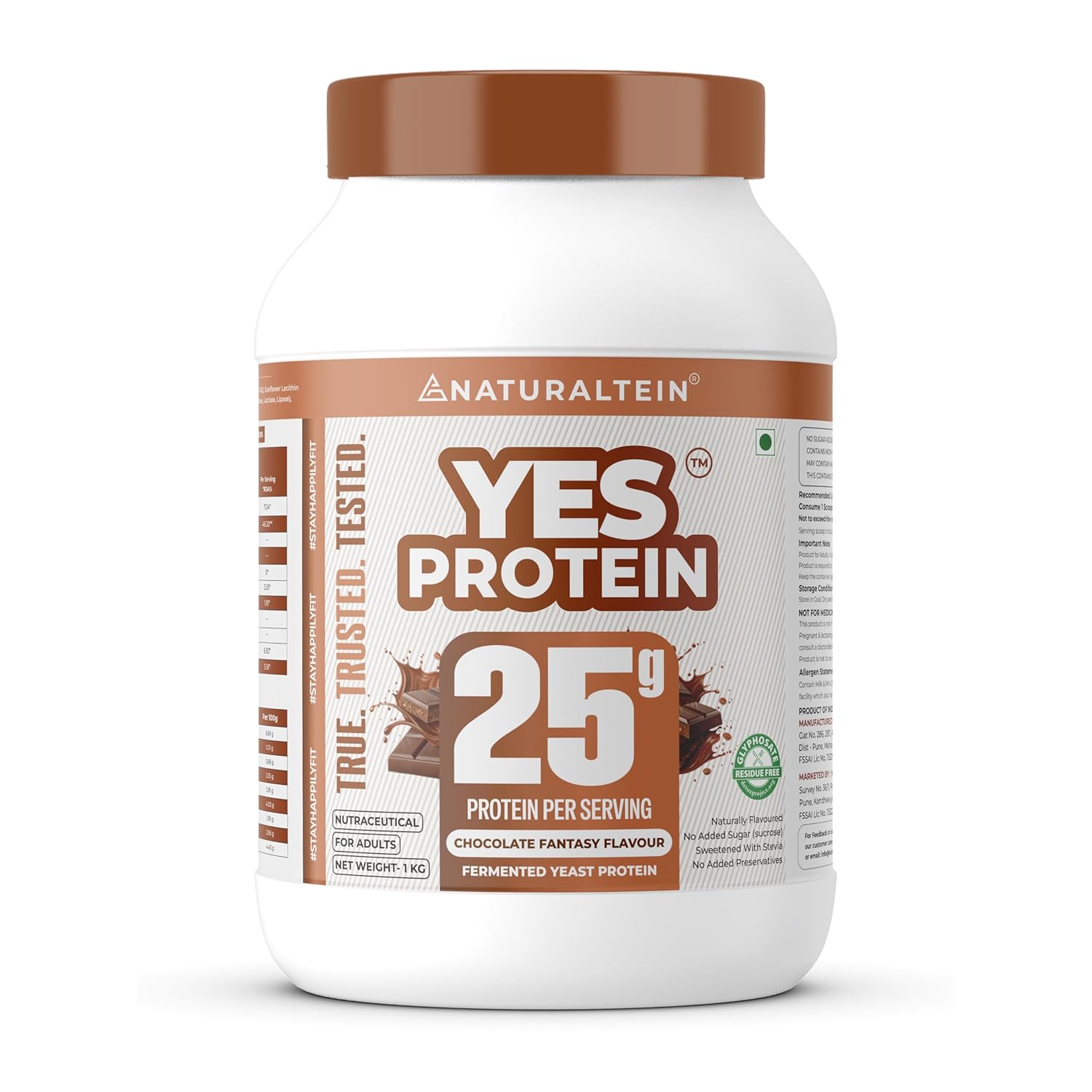
Naturaltein positions their YES Protein (Yeast Essential Supplement) as a clean, naturally formulated option. 27g protein per serving, naturally flavoured and sweetened with stevia — no artificial colours, preservatives, or sweeteners. The “100% Natural” positioning is backed by a genuinely clean ingredient list.
Available in Chocolate Fantasy and other flavoured variants. Customer reviews are generally positive on taste, with multiple reviewers comparing it favourably to premium imported brands. The deduction: no publicly available third-party COA or NABL testing, and the ₹2,179/kg price point puts it at the premium end without the lab transparency to justify it. Naturaltein has a stronger reputation in whey protein — their yeast protein line is newer.
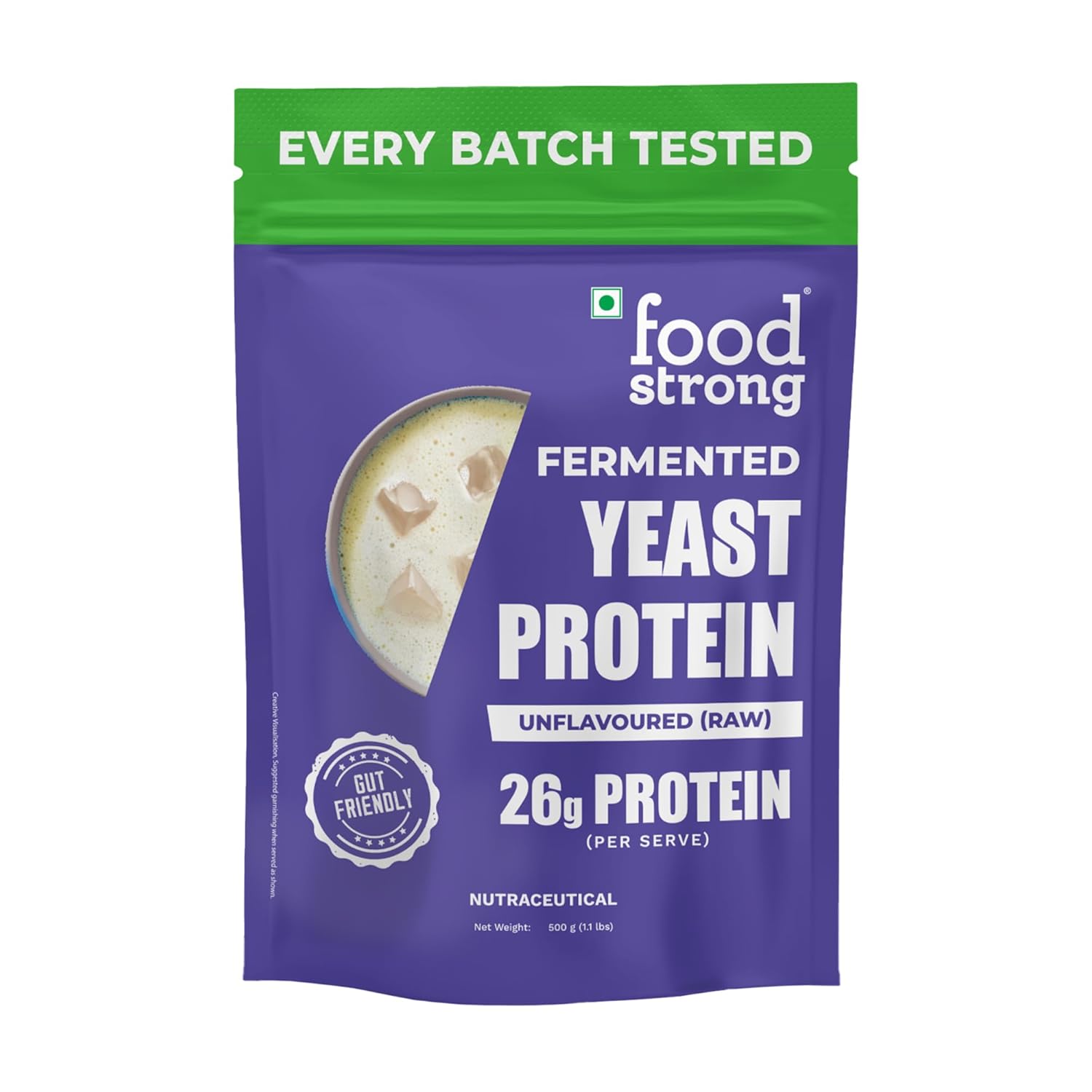
Foodstrong differentiates by targeting gut health alongside protein delivery. Each 36g serving provides 26g of complete protein, enriched with prebiotic inulin, probiotics (Bacillus Coagulans), and a digestive enzyme blend. Indian herbs — ginger, fennel, and peppermint — are added to reduce bloating and support overall gut comfort.
Coconut milk powder provides smooth blending, and monk fruit extract handles sweetness without sugar. Available in Unflavoured, Chocolate, and Vanilla. 100% vegan. The gut-health positioning is unique in this category — no other yeast protein brand combines probiotic strains, digestive enzymes, and fibre in a single formula. The tradeoff: mixed reviews on texture and taste, with some customers noting powder particles and an artificial flavour profile in the flavoured variants.
Full comparison — all 7 brands (Jun 2026 prices)
| Brand & product | Price | Protein/serving | PDCAAS | Lab testing | Unique feature | Score |
|---|---|---|---|---|---|---|
A AS-IT-IS One Yeast Protein 1kg · Best Overall | ∼₹1,799/1kg | 32g / 40g scoop | 1.0 | Per batch, QR | Highest protein density | 7.8 |
S SuperYou PRO 1kg | ∼₹2,099/1kg | 24–27g | 1.0 | Not published | Probiotics + monk fruit | 7.5 |
M Mille Yeast Protein 500g | ∼₹1,399/500g | 31g / scoop | 1.0 | Not published | Heat-stable, food-grade | 7.5 |
N Nutrabay Yeast Protein 1kg · Best Value | ∼₹1,329/1kg | 25g | 1.0 | Not published | 6.7g BCAA, lowest ₹/kg | 7.4 |
C Cosmix No-Nonsense Pro 1kg | ∼₹2,199/1kg | 26g | 1.0 | NABL accredited | Yeast + pea + rice blend | 7.2 |
N Naturaltein YES Protein 1kg | ∼₹2,179/1kg | 27g | Not declared | Not published | All-natural, stevia | 7.0 |
F Foodstrong Yeast Protein 500g | ∼₹1,399/500g | 26g / 36g scoop | Not declared | Not published | Probiotics + gut herbs | 7.0 |
Scoring rubric
How we score →1. Evidence quality
Yeast protein achieves PDCAAS 1.0 with a complete essential amino acid profile confirmed by amino acid profiling studies. A 2025 RCT (PMC, elderly subjects, 6 months) found yeast protein comparable to whey for skeletal muscle mass and strength. However, the total evidence base is far thinner than whey (49+ RCTs in Morton et al. 2018). The category is too new for meta-analysis. Leucine content (9.9g/100g) is well-characterised but slightly below whey (11.1g), which may marginally reduce acute mTORC1 response.
2. Dosage confidence
Per-serving protein ranges from 24–32g across brands in this roundup, which is appropriate for the 0.3–0.4g/kg per meal target. All brands declare complete EAA profiles. Total daily protein targets (1.6–2.2g/kg for resistance training) are achievable with 1–2 scoops plus dietary protein. The deduction: optimal per-meal yeast protein dose for maximal MPS has not been studied directly — current dosing is extrapolated from whey and general protein research.
3. India market fit
Excellent fit. Solves three India-specific problems simultaneously: (1) lactose intolerance (~30% prevalence) makes whey uncomfortable, (2) cereal-heavy vegetarian diets are protein-insufficient, (3) plant proteins (pea, soy) cause bloating. All brands are FSSAI-licensed. Prices (₹1,329–₹2,199/kg) are competitive with premium plant proteins. The food-grade variants (Mille) that mix into Indian cooking are uniquely relevant for this market.
4. Safety profile
Saccharomyces cerevisiae (baker's/brewer's yeast) has GRAS (Generally Recognized As Safe) status with centuries of human consumption. No serious adverse events reported at standard supplementation doses. Allergen-free for dairy, soy, and gluten. The only contraindication: individuals with confirmed yeast (S. cerevisiae) sensitivity should avoid. Purine content from yeast nucleic acids is a theoretical concern for gout-prone individuals at very high doses, but standard supplementation levels are not clinically significant.
5. Label accuracy
The category's biggest weakness. Only AS-IT-IS provides batch-level lab testing with QR verification. Only Cosmix uses NABL-accredited labs. Most brands declare PDCAAS 1.0 without publishing the supporting amino acid analysis. The yeast protein category is too new for independent audits like Labdoor India, so label claims are largely unverified by third parties. This will improve as the category matures, but right now, buyer trust relies heavily on brand reputation rather than independent verification.
How to use it
Yeast vs whey vs plant: comparison
Yeast protein vs whey vs pea vs soy head-to-head
| Parameter | Yeast protein | Whey (WPI) | Pea protein | Soy protein |
|---|---|---|---|---|
| PDCAAS | 1.0 | 1.0 | 0.89 | 0.91 |
| Leucine/100g | 9.9g | 11.1g | 7.2g | 7.5g |
| Digestion speed | Medium (sustained) | Fast | Medium | Medium |
| Bloating risk | Very low | Moderate (lactose) | High (saponins) | Moderate (trypsin inh.) |
| Allergen status | Dairy, soy, gluten free | Contains dairy | Major-allergen free | Contains soy |
| Vegan | ✓ | ✗ | ✓ | ✓ |
| Beta-glucans | Present (immune) | None | None | None |
| RCT evidence base | Limited (early) | Extensive (500+ trials) | Moderate | Moderate |
| India price/kg | ₹1,329–2,799 | ₹2,199–5,999 | ₹800–1,800 | ₹600–1,200 |
Frequently asked
What is fermented yeast protein and how is it made?
Is yeast protein as effective as whey for building muscle?
Why does yeast protein cause less bloating?
Is yeast protein safe for people with yeast allergies or Candida?
Can I cook with yeast protein powder?
How does yeast protein compare to pea protein?
Related content
Best Whey Protein Isolate in India 2026
6 WPI brands scored on protein content, COA transparency, nitrogen spiking risk, and price-per-gram.
Whey Protein Isolate — Full Evidence Review
Complete MPS mechanism, protein quality comparison, leucine threshold research.
Best Of — All Categories
Creatine, omega-3, ashwagandha, magnesium, vitamin D3+K2, whey. All brands scored on the same rubric.
Affiliate disclosure. Naked Compound participates in the Amazon Associates India programme. Commission does not influence scores or rankings. Full policy: conflicts-policy
Price changes. New lab reports. Nothing else.
More questions
Is yeast protein as good as whey protein?
Yeast protein achieves a PDCAAS of 1.0 — the same maximum score as whey — meaning it delivers all essential amino acids in adequate proportions. Leucine content is slightly lower (9.9g vs 11.1g per 100g), which may marginally reduce acute mTORC1 signalling. A 2025 RCT in elderly subjects found comparable effects on skeletal muscle mass and strength between yeast and whey protein supplementation over 6 months.